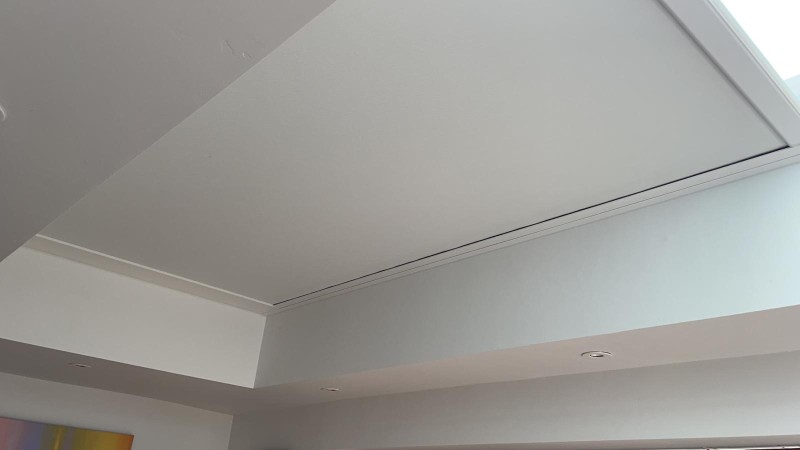
Roof lanterns flood your home with natural light and create a stunning architectural feature. But that beauty only works if the space beneath stays comfortable and usable. That is why more homeowners now choose a single horizontal roof lantern blind system that spans the boxed upstand, rather than fitting individual blinds into each shaped pane of glass. This modern approach gives you better performance, cleaner lines and a far more reliable long term solution.
Whether you are planning your build, halfway through it or trying to fix a problem after completion, you face the same question. What matters most to you in this space? A good investment is one that manages your priorities and protects the dream you had when you first imagined the room. You want natural light, but you also want control. You want beauty, but you also want comfort. Getting the balance right starts with understanding what your priorities actually are.
Below are the key considerations that help you decide what matters most for your roof lantern blind system.
Priority 1: Managing Summer Heat Gain
Summer heat gain is one of the biggest reasons homeowners invest in roof lantern blinds.
Andrew invested in a roof blind because “It just gets too hot for us. It’s like a greenhouse in the summer”.
Even a north facing extension can overheat when the sun is high and the days are long. We all want natural light to brighten the dull days, but during a heatwave that same light can turn a beautiful room into an unbearable one.
The Technical Bit
With foresight during design or hindsight after moving in, a roof vent helps hot air escape. But ventilation alone cannot solve the problem. The real challenge is the sheer amount of solar energy entering through the glass. On a peak summer day, solar irradiance can reach 1000 W/m². Modern double glazing with a g value of 0.65 still allows around 650 W/m² of heat to pass through. A 2m x 4m roof lantern can therefore transmit more than 5 kW of heat into the room. That is the same as running five 1 kW storage heaters at full power.
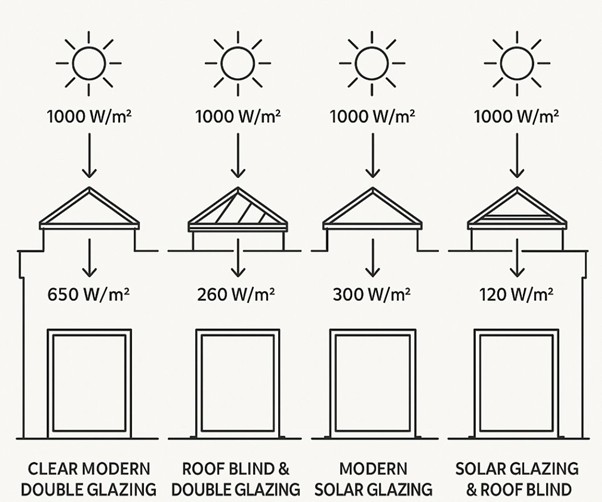
The heat does not disappear when the sun goes down. Worktops, floors and furniture absorb that energy throughout the day and then re‑radiate it back into the room long after the sun has gone to bed. This is why some extensions stay warm well into the evening.
To prevent this, you need to manage the shortwave solar energy before it becomes longwave infrared heat inside your home. High performance fabrics reflect heat back through the glazing before it converts into the overhead radiator effect you feel in summer. A protective headbox keeps the fabric clean so it stays reflective for longer.
Sun sensors can take this a step further. They give your blind the intelligence to close automatically when the sun becomes intense, even if you are not at home. This keeps the room stable, protects your comfort and stops heat building up in the first place.
Managing heat gain is not about blocking light. It is about controlling the energy that comes with it so your living space stays bright, comfortable and usable.
Priority 2: Reducing Cold Drafts, Improving Winter Insulation and Saving Energy
Winter comfort is a priority that often surprises homeowners. Many people focus on summer overheating and only discover the winter benefits of a roof lantern blind after living with their new space for a while. On frosty mornings, our body heat naturally transfers toward the coldest surface in the room. With a roof lantern, that cold surface is the large expanse of glazing above you. The result is a noticeable downward draft that makes the room feel colder than it actually is.
Most people instinctively turn the thermostat up a couple of degrees to compensate. The same Andrew, who originally invested in an Athena roof lantern blind to stay cooler in the summer, noticed this exact effect. Once his blind was installed, he immediately felt the difference. In his words, “On frosty mornings it stops the heat from being lost from the room so it works both ways.”
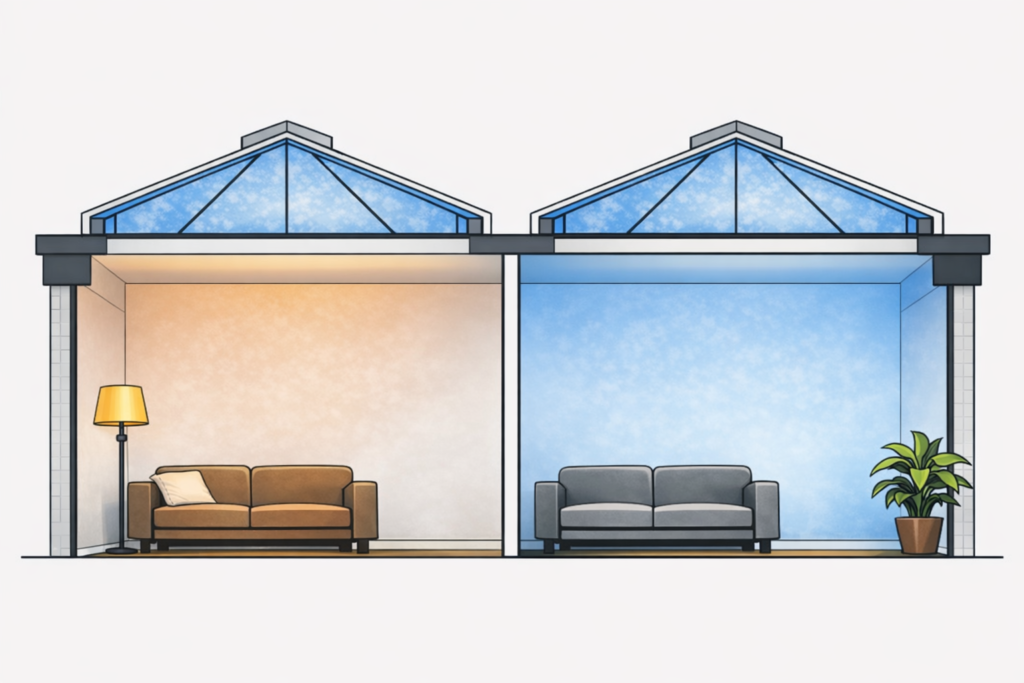
This is exactly how a well‑designed roof lantern blind should perform. By creating a barrier between the warm room and the cold glass, the blind slows the transfer of heat to almost negligible levels. The right fabric choice makes a significant difference. High performance fabrics, especially aluminium backed options, trap the cold air above the fabric line inside the lantern. This prevents that cold air from dropping into the room through conduction and keeps the thermostat stable.
The result is a more comfortable living space, fewer temperature swings and less reliance on the heating system. A roof lantern blind becomes an energy saving tool as much as a shading solution, working quietly in the background to keep your home warm without wasting energy.
Priority 3: Managing Overwhelming Brightness
Roof lanterns are brilliant on dull days. They pull daylight deep into ground floor extensions so the original rooms stay bright even though the windows and doors are now further away. That natural light is what makes the space feel open and inviting. On sunny days the story changes.
Glare can hit one side of the dining table while the kitchen controls become impossible to read. When customers start wearing sunglasses indoors it is clear the brightness needs managing. Having the ability to control the light when needed keeps the space comfortable and keeps the dream alive throughout the year.
Some homeowners worry that shading the lantern will make the room dark. It will not. On bright days there is already plenty of light coming from the surrounding glazing. The lantern does not need to blast the room with extra brightness. Many homeowners prefer the lantern to have its own sunglasses rather than wear theirs inside.
The level of light control depends on fabric choice and openness factor. High performance fabrics reduce glare while still allowing a soft glow of daylight through. The right balance keeps the room bright and comfortable without the harshness that makes the space difficult to use.
Priority 4: Reducing Glare on the TV and Screens
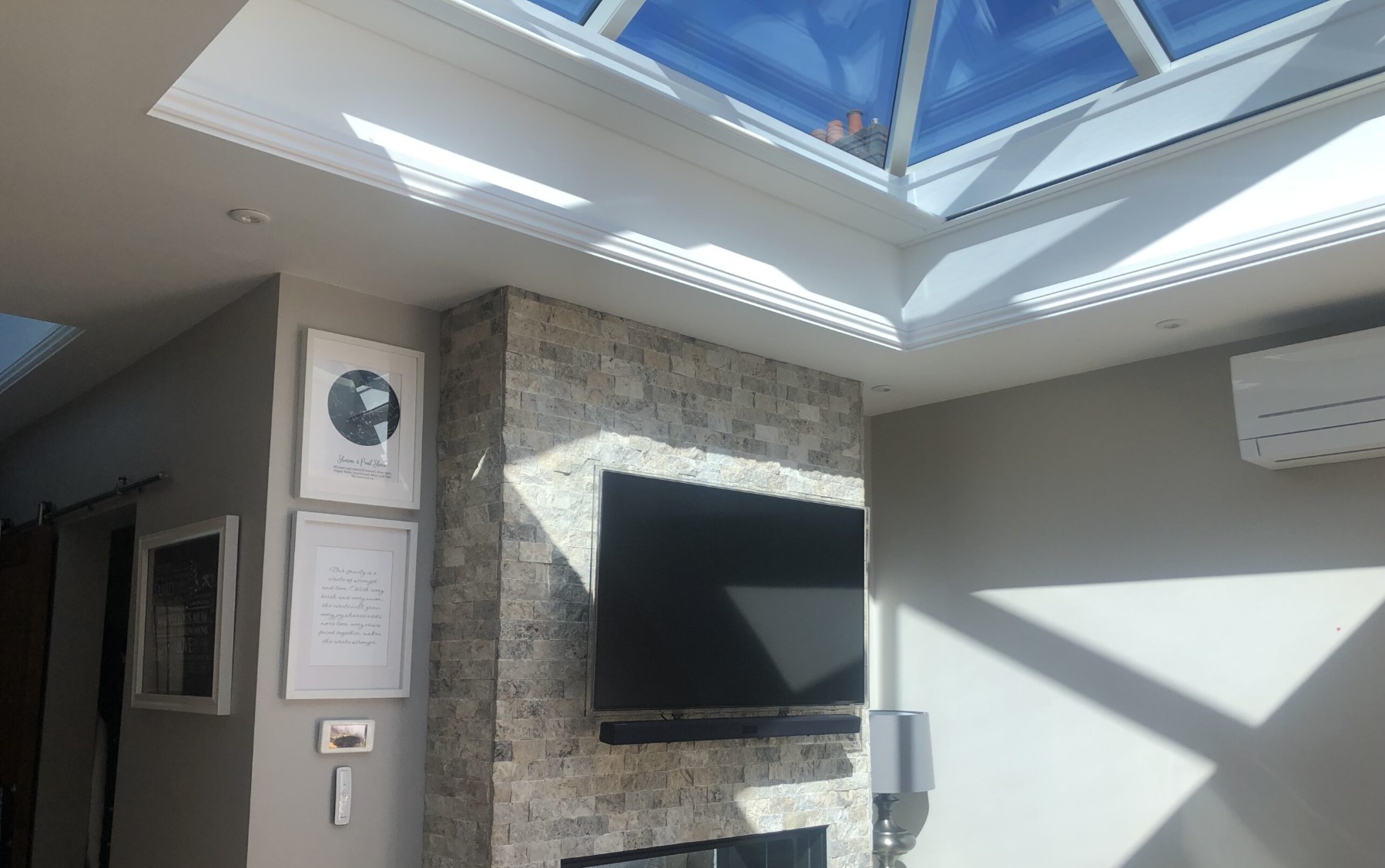
Many new extensions include a large flat screen on the wall, so it is worth thinking early about how the space will be used. A roof lantern positioned near a TV can create strong reflections that make watching anything difficult. Battling with TV glare is not how you imagined spending your weekend downtime.
Some white fabrics create a floodlit haze when sunlight passes through them. This haze can sit across the TV screen like a glowing layer and make the viewing experience just as bad. Choosing the right fabric is essential if screen glare is a priority. Certain fabrics, including some white options, are engineered to eliminate this haze and prevent reflections on TVs and laptops.
To manage screen glare effectively, we usually need to reduce visible light transmission to around 5% as a guide. If you plan to watch TV in this space or work on a laptop at the dining table or sofa, this level of control becomes important. It ensures you can use the room as intended without battling reflections or washed out screens.
The right fabric choice keeps the room bright enough to enjoy while protecting your viewing experience. It is a small detail that has a big impact on how the space feels day to day.
Priority 5: Protecting Flooring and Furnishings from Fading and Damage
When you invest in an extension, you also invest in everything that finishes the space. Flooring, sofas, artwork and soft furnishings all play a part in creating the look you want. Every time the sun comes out, that investment is at risk. Strong sunlight can age a room far faster than most people expect.
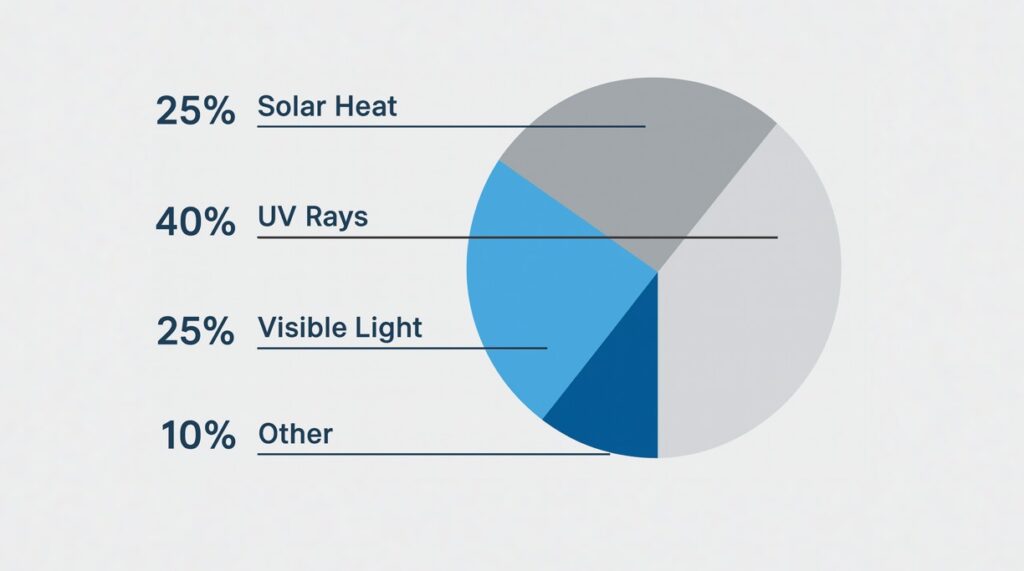
Intense direct heat can cause wooden and laminate flooring to discolour or even deform. Fabrics fade rapidly as dyes break down under the combined effects of heat, visible light and UV. UV alone is responsible for around 40% of the damage. When you combine visible light and direct solar heat this contributes to 50% of the issue. With the right roof lantern blind, you can remove up to 90% of the impact.
Electric blinds can be automated with sun sensors so the system closes itself when needed. This gives you peace of mind even when you are not at home. It was the final motivation for Darren and Helena in Wiltshire. Helena said, “I came home to find the laminate flooring beginning to bubble in exposed areas of the room.” For them, protecting the space they had worked so hard to create made the decision simple.
Choosing the right roof lantern blind can pay for itself when you consider the cost of replacing damaged flooring and faded furnishings. It is a practical step that protects the look and feel of your home for years to come.
Priority 6: Achieving True Room Darkening
Some rooms need complete control over light. Blackout fabrics allow 0% visible light to pass through. When this is combined with zip technology in the side channels and blackout sealant strips on the hem bar, you can achieve the ultimate level of darkness. This is essential in certain spaces and at certain times of the year.
Bedrooms are the obvious example. On bright summer mornings we want to protect our circadian rhythms and avoid being woken too early. The health benefits of proper sleep are well documented. Cinema rooms are another area where deep room darkening transforms the experience. A roof lantern blind can turn a bright extension into a dramatic viewing space whenever you want it.
There are also practical reasons linked to planning. Extensions in national park areas often need to protect the night skies to gain approval or to avoid disturbing neighbours. A blackout roof blind with timers can close automatically at dusk and open again at dawn. This gives you bright, natural light during the day and protects the night skies in the evenings.
Room darkening is not just about comfort. It is about creating the right environment for sleep, entertainment and compliance. When it matters, the right blind makes all the difference.
Priority 7: Reducing Echoes and Reverberance When Entertaining
Open plan extensions look incredible but they often come with an unexpected side effect. Hard surfaces such as walls, tiled floors, worktops and large areas of glazing all reflect sound. When the room fills with people, the noise begins to bounce around and conversations start to overlap. It becomes difficult to hear the person sitting just across the table. The space loses the calm atmosphere you originally designed.
Roof lantern blinds can help bring that calm back. Fabrics from Serge Ferrari are engineered to absorb sound and can reduce echoes by up to 45%. This makes the room feel more comfortable and more enjoyable when entertaining. The difference is immediate once people start talking.
As well as managing light and heat, these fabrics allow you to manage sound. Combining these benefits creates the balanced, peaceful environment you imagined when planning the extension. One solution can improve several aspects of how the space feels day to day.
Priority 8: Stopping Flies Gathering in the Lantern
Every homeowner with a roof lantern knows the feeling. The moment you open the side glazing and start enjoying indoor outdoor living, flies seem determined to head straight up into the lantern. Once they get up there, they circle and buzz long after the sun has dropped. It puts a real dampener on the evening because it is almost impossible to guide them back out through the doors they came in through.
Andie’s extension backed onto woodland and she said, “The buzzing creatures collected in the top of the lantern which was pretty off putting especially when preparing foor and eating the evening” It is a common problem and one that can be managed far more easily than most people realise.
The key is simple. Close the roof blind before opening the side doors. The reduced light levels, the openness of the fabric and the zipped side channels all work together to stop flies and insects travelling up into the lantern where you cannot reach them. It turns the lantern from a trap into a barrier.
If this is your only priority, specific insect screen fabrics can be used. In most cases, though, fly control is an additional benefit that sits alongside other priorities such as heat reduction, glare control or creating a more contemporary look. One blind can solve several issues at once and make the space far more enjoyable to live in.
Priority 9: Reducing the Feeling of Being Overlooked by Neighbours
More light and more space are the main reasons we build extensions, but in semi detached and terraced homes there is a real risk of feeling exposed through the roof lantern. Even if the neighbours are not looking in, the sense that they could be can make the space feel less private. This can matter during the day, but it becomes even more noticeable at night.
When the lights are on and the sky is dark, the roof lantern can create a goldfish bowl effect. You are relaxing with the family, the children are playing, and suddenly it feels like the room is on display. Most homeowners want to enjoy the space without worrying about unwanted views or the feeling of being watched.
A roof lantern blind fabric can solve this. All fabrics give you privacy during the day should need it but in the evening many leave you exposed. Choosing the right fabric ensures you feel secure and protected. You can enjoy the room without the sense of being overlooked.
For many families this becomes a key priority. It is not about blocking the outside world. It is about feeling at ease in your own home.
Keeping the Dream Alive
Every extension begins with a vision. More space, more light and a better way of living. It is easy to focus on the preferences such as no visible cords and no sag on the fabric. This matters a great deal but the roof blind needs to meet your priorities otherwise your investment will feel underwhelming. The performance of the blind is what protects the space you have created.
Not all fabrics work the same way. Light, heat, glare, privacy, sound, insects, fading and room darkening all behave differently depending on the fabric. Understanding how these elements interact is what turns a blind from a simple accessory into a vital part of the room’s performance.
By following the process and identifying your priorities first, we can match the right fabric and the right system to the way you want to live. This is how we protect your investment. It is how we keep your extension comfortable, usable and enjoyable throughout the year. Most importantly, it is how we keep your dream alive for you and your family.