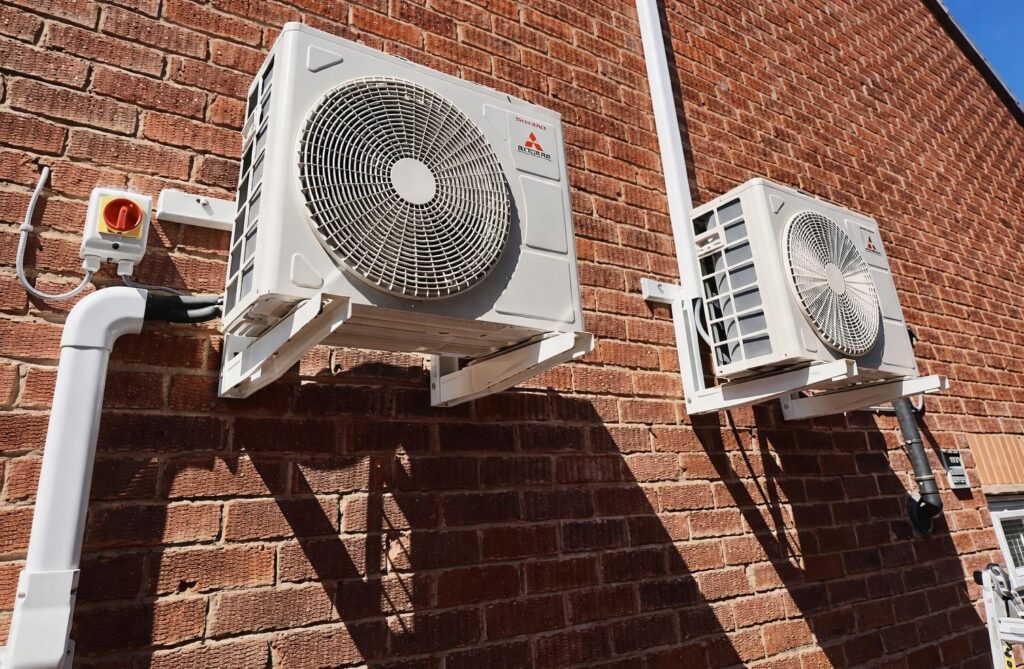
The New Normal: UK Heatwaves and Overheating at Home
The recent heatwaves have made something very clear. The UK has crossed a threshold. Prolonged periods of extreme heat are no longer rare events. They are becoming part of our climate reality. Homeowners are feeling this shift intensely, especially those living in modern extensions and large glazed spaces designed to pull natural light deep into the home.
These beautiful spaces come with a hidden cost. Solar heat gain.
Near infrared energy pours through the glazing, warming every surface it touches. Worktops, flooring and furniture absorb heat throughout the day and then re radiate it long after the sun has set. This is the type of radiant heat that makes your skin feel hot even when the air temperature seems comfortable. It is not unusual for a room to feel five to fifteen degrees warmer than the actual air temperature simply because of re radiated heat.
Visible light adds to the problem. In unventilated spaces it builds intensity hour after hour. When outdoor temperatures match indoor temperatures during a heatwave there is no natural relief. The heat simply accumulates.
The Air Conditioning Dilemma
In desperation many homeowners are now considering air conditioning. It is understandable. During a heatwave comfort becomes a priority.
But installing AC without first reducing the heat entering the building is like bailing out a leaking boat.
Every kilowatt of solar heat that enters your home is a kilowatt your air conditioning must remove. Reduce the heat gain and your AC becomes dramatically more efficient. Lower cooling loads mean lower running costs, smaller equipment and better comfort.
Before reaching for mechanical cooling it is essential to understand how modern glazing behaves.
Modern Glazing: Great for Winter, Challenging for Summer
Double and triple glazing with low emissivity coatings are engineered to keep homes warm in winter. They trap heat inside, reduce U values and improve insulation. Passive heat gain is allowed in and welcomed.
In summer these same features can work against you. They allow solar energy in and then they keep it in.
Making our homes more heat resistant during hot weather?
Exterior Shading: The Gold Standard
Across Europe where high summer temperatures have long been the norm the answer is simple. Exterior shading.
Exterior shading stops solar energy before it reaches the glass. This is the most effective way to reduce heat gain.
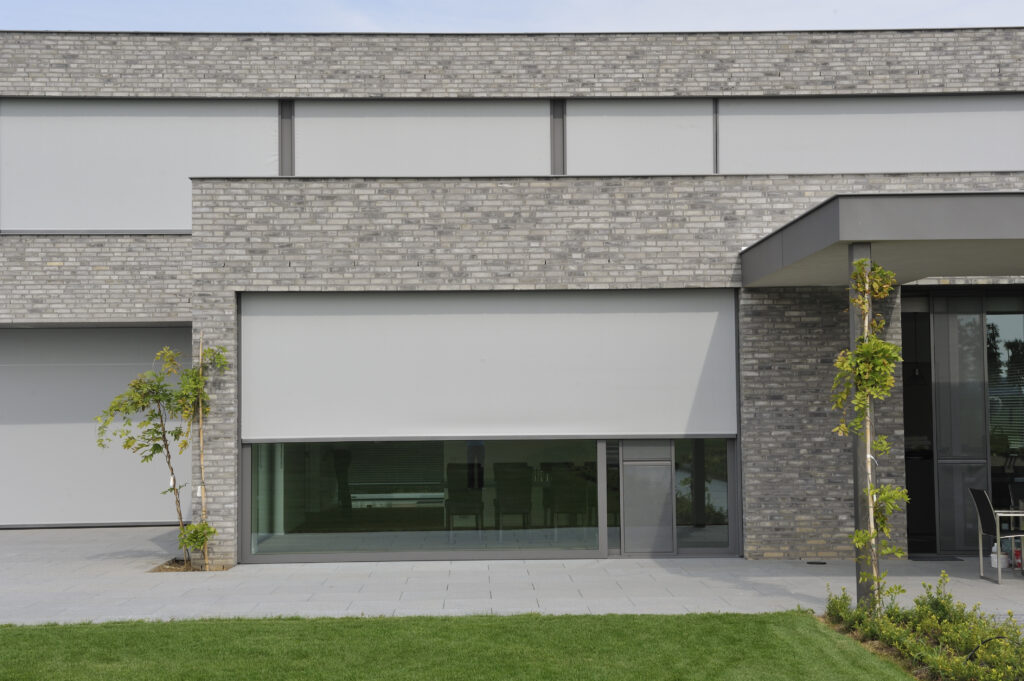
Zipped Exterior Screens for Sliding Doors
Perfect for sliding and patio doors. Zipped screens lock into side channels for wind resistance and can span up to 6 metres wide. High performance fabrics can reduce the g value to below 0.1 which equates to over 90 percent reduction in solar heat gain.
Harmonia XL is a prime example. Engineered for large openings up to 6 metres wide.
Harmonia XL External Electric Sliding Door Blinds – WindowTreat
Giant Awnings for Bi Fold & French Doors
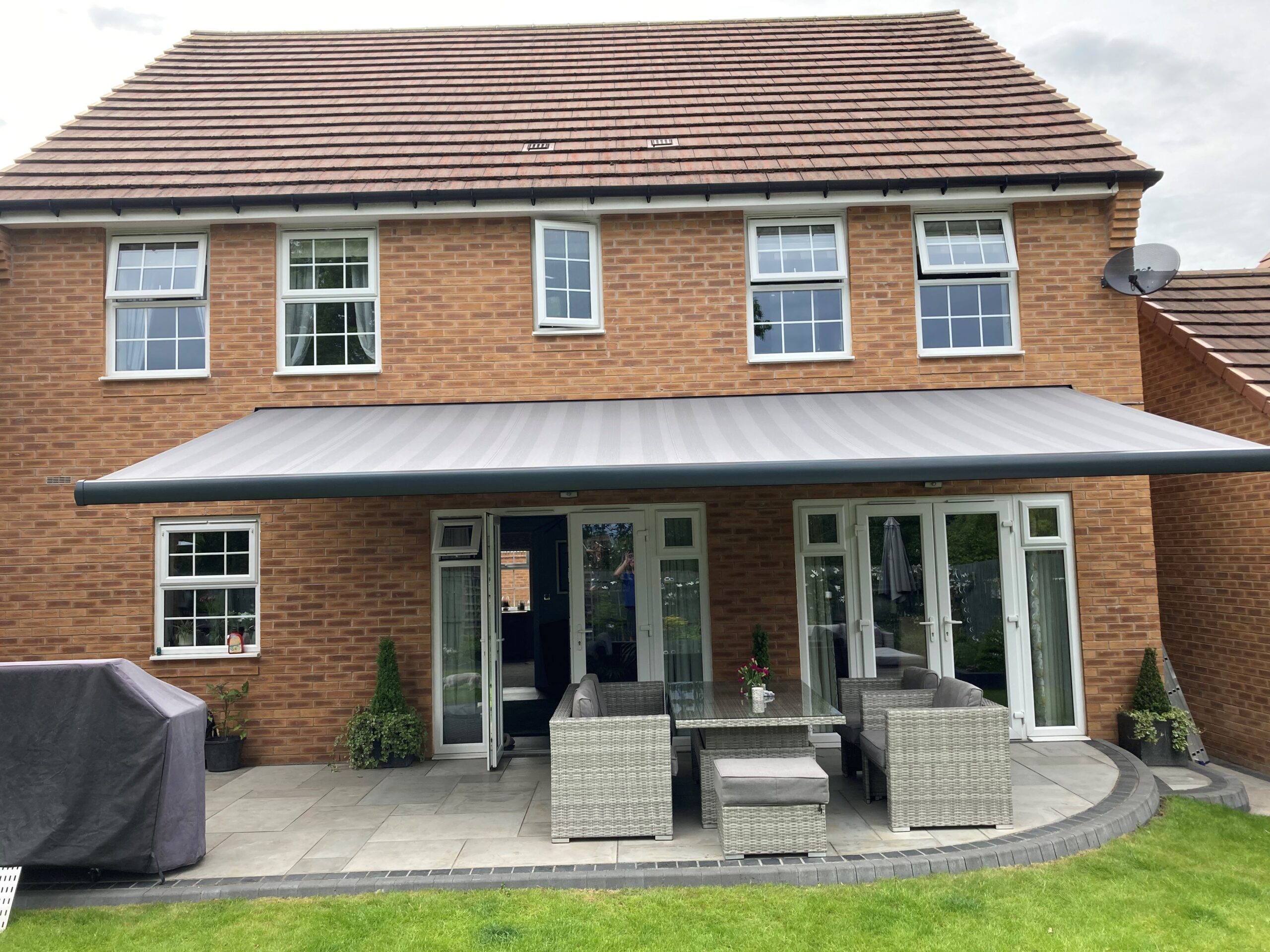
Outward opening bi-fold and French doors are trickier for external screens but they pair beautifully with giant electric awnings. Models with drop down valances provide additional shading especially good for west facing glazing.
Multi-Fix Electric Awnings – WindowTreat
Exterior Roof blinds for Framed Skylights & Pitched glazing
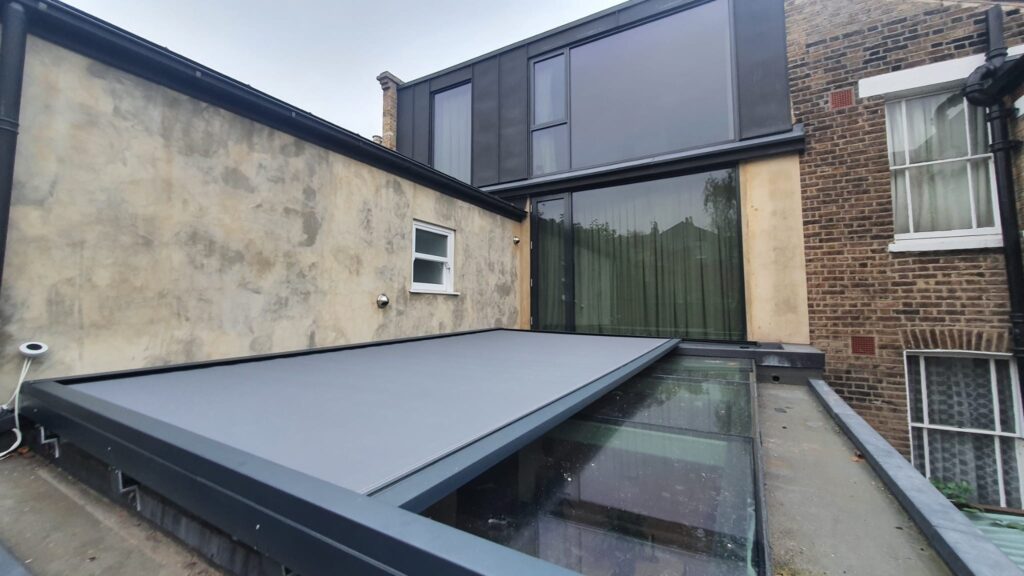
Exterior roof blinds for framed skylights and pitched glazing provide powerful summer heat protection. G values lower than 0.1 deliver more than 90 percent reduction in solar heat gain. These blinds use tensioned systems with dimensionally stable fabrics that stay flat and secure, making them ideal for skylights, lean to roofs and any pitched glazing that overheats.
Solar Control Glass
Solar glass can be specified at the design stage. Lower g values reduce summer heat gain but they also reduce passive solar heating in winter. It is a trade off that needs careful consideration.
Solar Films
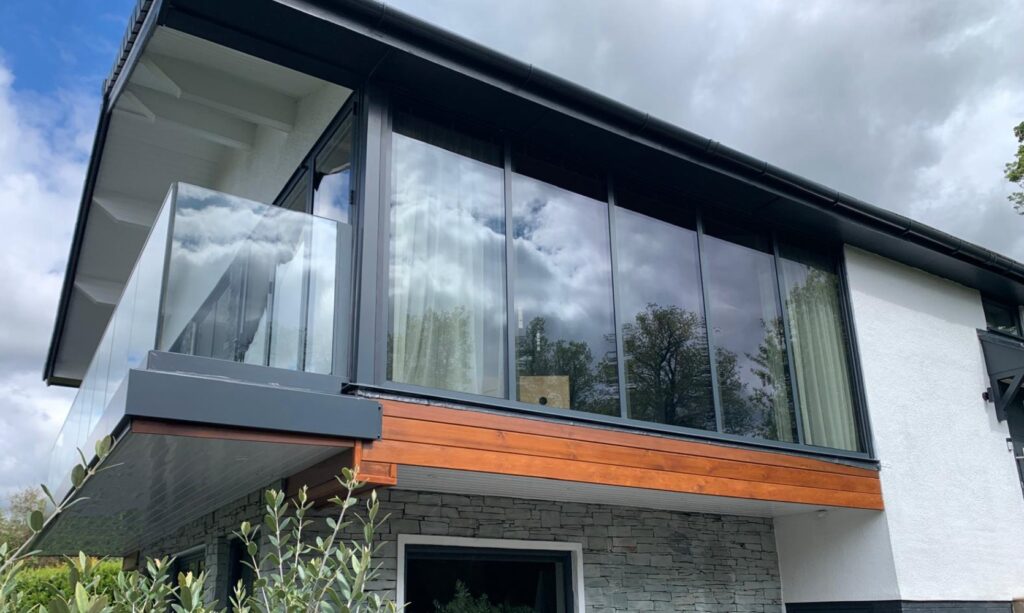
For existing glazing solar films offer a retrofit solution. The 3M Prestige Exterior Series is particularly effective thanks to its angular selective technology. It performs better when the sun is high in summer and allows more heat in when the sun is lower in winter.
Internal Blinds for Specific Glazing Types
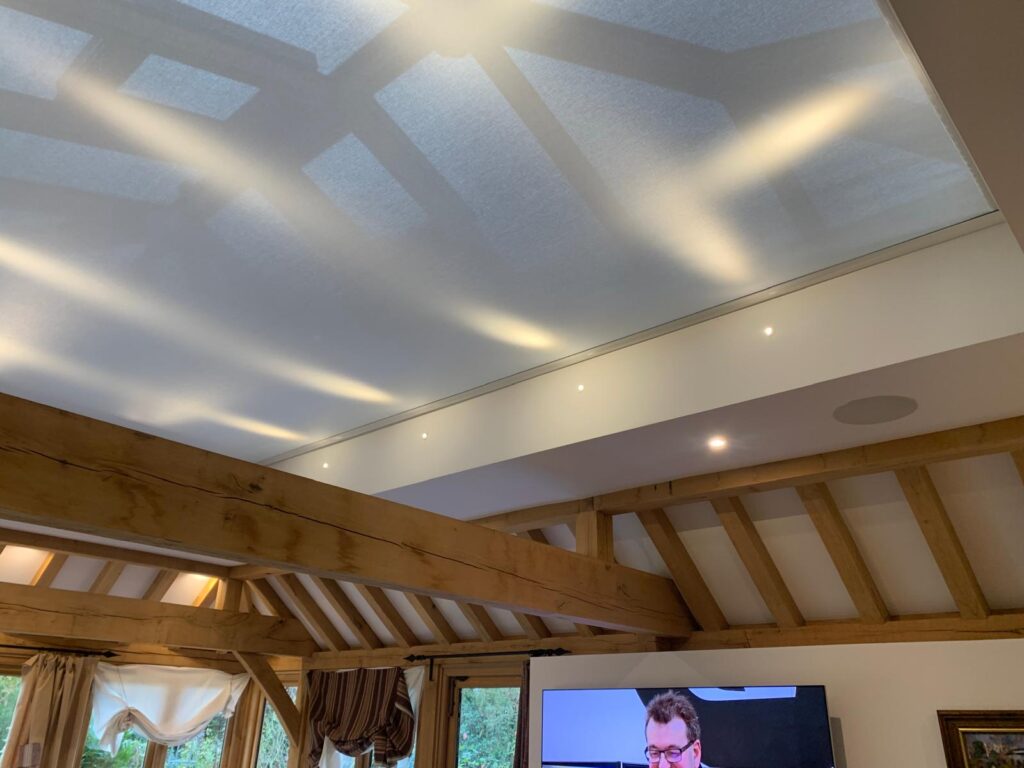
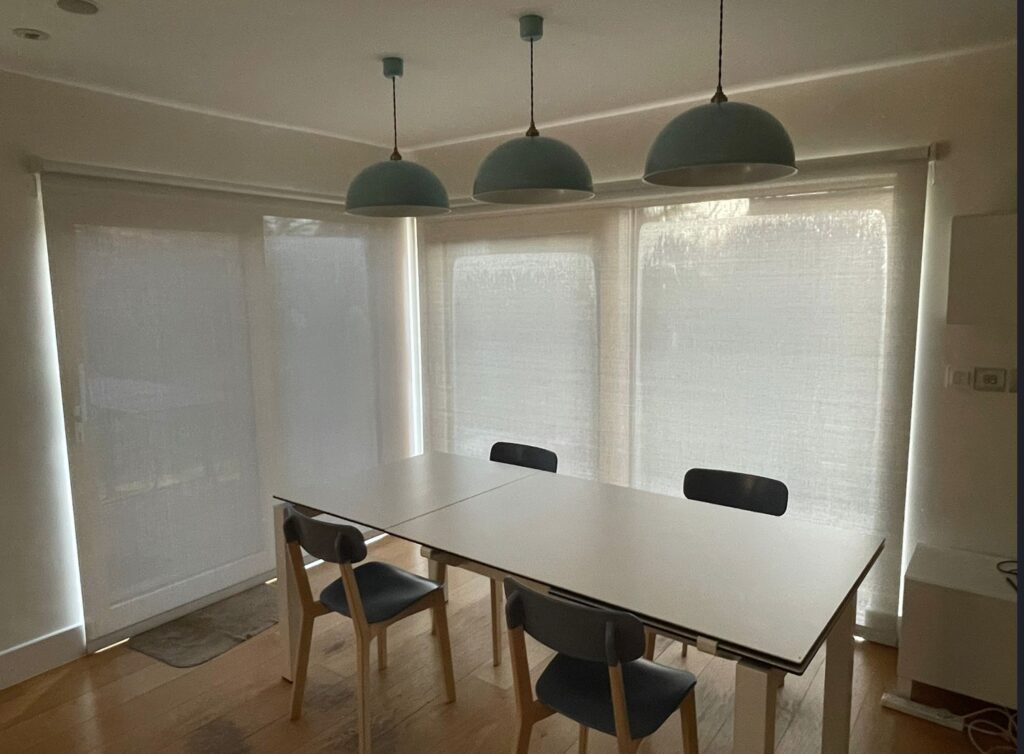
Some glazing systems require internal shading. Bi-Fold Doors, windows and roof lanterns. In these cases the goal is to reflect shortwave solar energy back toward the glass before it enters the room.
The Solaye Sunshadow Alu fabric is designed for exactly this. It is highly reflective and highly efficient. It is a popular choice in our Athena roof lantern blinds and bi fold door blind systems.
The Balanced Approach: Shading and Air Conditioning
With the new normal bringing hotter summers many homes will benefit from a combined strategy.
Shading to keep heat out. Air conditioning to manage indoor comfort during peak heatwaves.
The goal is simple. Do not bail the leaking boat. Reduce the solar heat gain first then if necessary let AC handle the rest efficiently.
Example Scenario Open Plan Living Area
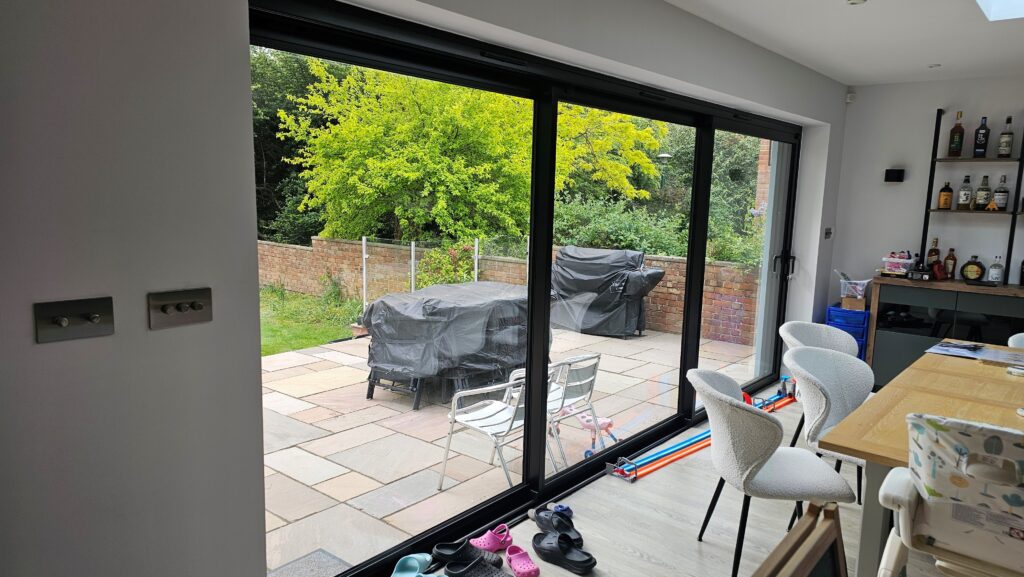
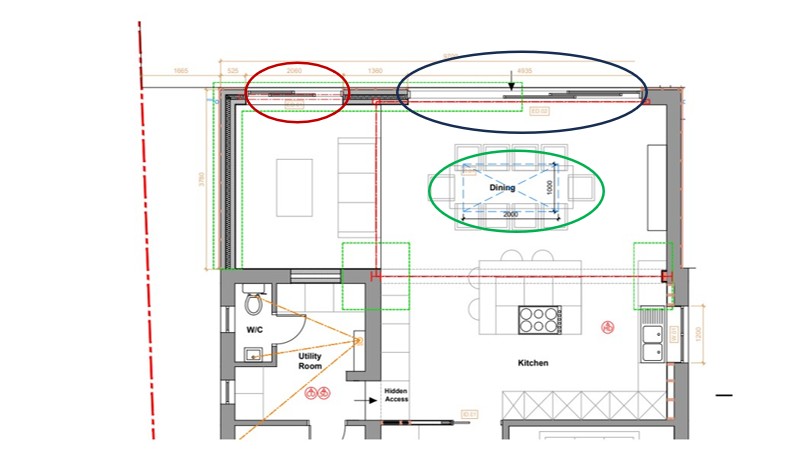
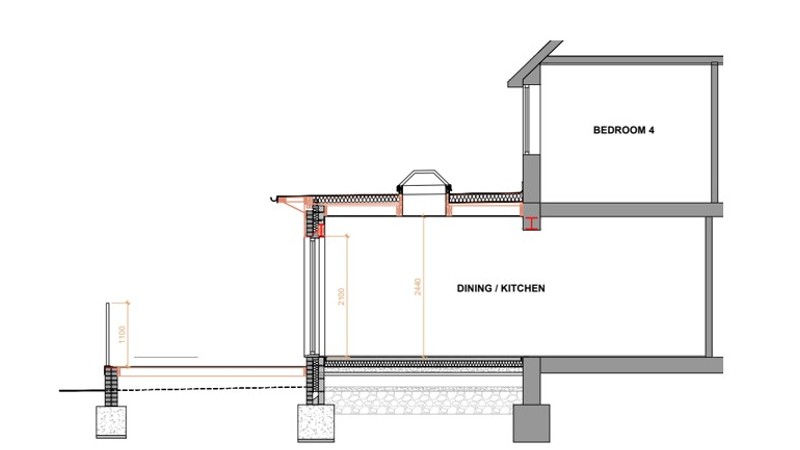
The Key Glazed Areas
- Roof Lantern with no self-cleaning exterior coating 1000mm x 2000mm
- Sliding 3 Doors 4935mm x 2100mm
- Double Sliding Doors 2060mm x 2100mm
- Bedroom 4 Glazing
Breaking Down The Costs
- Manufacturing Survey for automated shading systems £650 inclusive of VAT
- Installation Costs £1250 inclusive of VAT
Roof Lantern
- Athena electric roof blind £3050 inclusive of VAT
- Athena Solar Powered Battery Upgrade £750 inclusive of VAT
- Honeycomb SKY Blackout £1450 inclusive of VAT
- 3M Prestige exterior series £850 inclusive of VAT (installed)
Sliding 3 Doors
- Harmonia XL exterior screen £4300 inclusive of VAT
- Harmonia XL Solar Powered Uplift £ 750 inclusive of VAT
- Sol Edge Awning 6m wide by 2.6m projection £4550 inclusive of VAT
- Gutter Brackets £ 600 inclusive of VAT
- Internal Roller blind using Zoomtech Deflect Zero and Solaye Sunshadow Alu £3275 inclusive of VAT
- 3M Prestige exterior series £2150 inclusive of VAT (installed)
Double Sliding Doors
- Harmonia XL exterior screen £2740 inclusive of VAT
- Harmonia XL Solar Powered Uplift £750 inclusive of VAT
- Sol Edge Awning 3m wide by 2.6m projection £ 3300 inclusive of VAT
- Gutter Brackets £600 inclusive of VAT
- Internal Roller blind with Solaye Sunshadow Alu £1180 inclusive of VAT
- 3M Prestige exterior series £1120 inclusive of VAT (installed)
Bedroom 4
- 3M Prestige exterior film recommended
Predicted Heat Gain and Reduction Results
On a peak summer day, solar irradiance can reach 1000 W/m². Even modern double glazing with a g‑value of 0.65 still allows around 650 W/m² of solar heat to pass through. Even a relatively small roof lantern like the 1 m × 2 m lantern can transmit nearly 1.5kW of heat into the room, equivalent to running a 1 kW storage heater at full power throughout the day. This heat load can be halved with the right internal roof blind, and reduced even further with exterior solar‑control films.
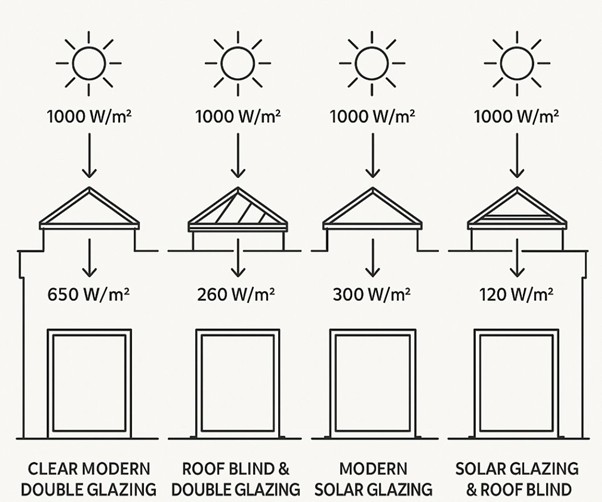
South and Wests facing sliding doors, with their large glass‑to‑wall ratio, are particularly exposed: 15 m² of glass can admit nearly 10 kW of heat. The amount of heat removed depends on what approach is used.
The Harmonia XL system can reduce heat gain for rear glazing to under 1 kW, making the space far easier to manage and maintain comfortable temperatures. Applying solar‑control films to bedroom windows also improves g‑values significantly. The more heat prevented from entering, the cooler the home remains. While results vary between properties, homeowners consistently report noticeable drops in indoor air temperature after installation.
Air Conditioning Requirements
For many homeowners, the significant drops in air temperature achieved through solar‑control treatments are enough to make their living spaces comfortable again. These reductions also help protect interior investments such as flooring and furniture from fading. When heat waves offer no natural relief, homeowners may still choose to combine these treatments with air conditioning, but the scale of cooling required becomes far smaller.
Without any improvements, the example property would require substantial air conditioning capacity. A multi‑split system covering the downstairs extension with a 7 kW indoor unit, plus four bedrooms with 2.5 kW indoor units, connected to a single 12.5 kW outdoor unit, was priced at £9.5k. An alternative option using a 9 kW split unit upstairs and a dedicated 7 kW outdoor unit for downstairs was £16k.
With effective solar‑control treatments, there is far less heat to remove from the home. The cooling load drops significantly, which means the required AC systems can be reduced in size, complexity and cost. Instead of bailing out several kilowatts of unwanted heat every hour, the home may only need modest supplementary cooling.
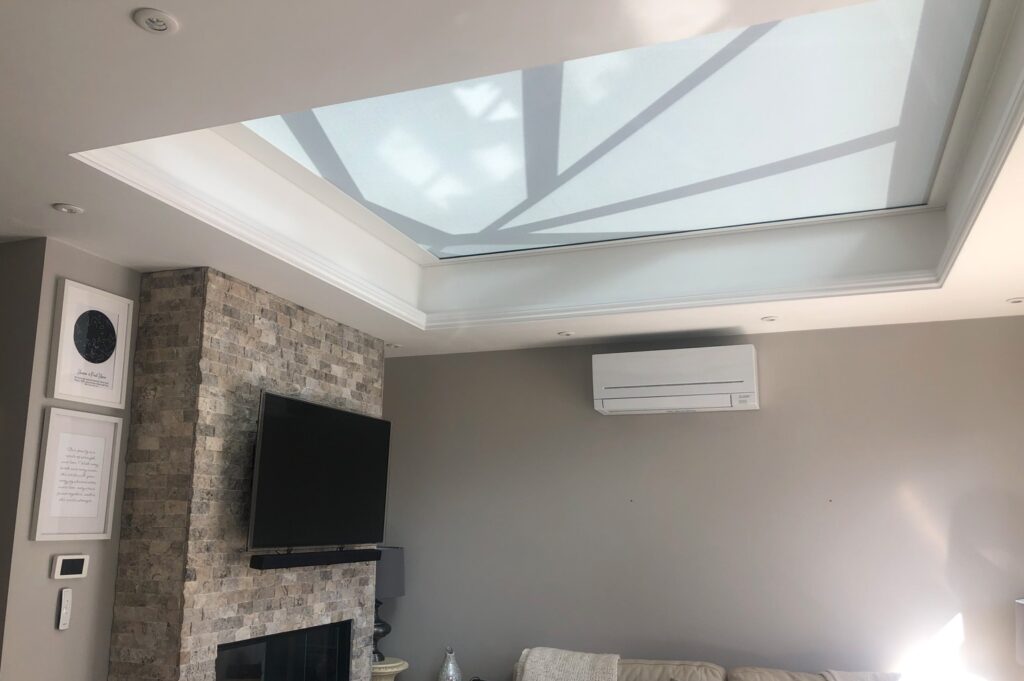
The most effective strategy is to stop heat from entering the home in the first place. It is far better to prevent the boat from filling than to spend every summer day bailing it out. With the right treatments in place, the home stays cooler, comfort improves, and any air conditioning that is added can be modest, efficient and far smaller than the systems required without these improvements.
Next Step
Visit Chris’s diary at the bottom of this article and book in a callback at a time that suits you best. It can be really useful to upload a couple of photos in advance.
He can also be reached through info@windowtreat.co.uk.
Supporting Links
Success Story: How External Shading Made Helen Fall In Love With Her Home Again – WindowTreat
Best Solar Control Films for Modern Glazing: 3M Prestige Exterior Compared – WindowTreat
Success Story: Sharon’s Electric Roof Blinds Bring Comfort Back to Her Home – WindowTreat
Gail & Demetris I Artemis External Roof Blind I Customer Testimonial
Electric Blinds After the Build: How to Still Get A Premium Finish – WindowTreat
Internal or External Shading for Large Modern Skylights? – WindowTreat