Solar control window film restores comfort in homes during the summer months. When specified correctly it reduces heat, balances light levels, and improves the usability of large glazed areas.
The challenge begins when the sliding door panes exceed the roll width of the film. Most solar control films are manufactured at a maximum width of 1829mm. Modern sliding doors often exceed this in both height and width. When the pane is larger than the roll width, joins become unavoidable.
Homeowners worry about joins, and that concern is justified. Placing two pieces of film next to each other can look obvious and uneven if the installer does not plan the layout correctly or execute the seam with precision. A join in solar control film should blend into the architecture and remain stable for the life of the installation.
This article explains how to design for large sliding doors when joins cannot be avoided.

Using The Same Roll Factory Edge
You must use the same factory edge from the same roll because window film is never perfectly uniform across its width. The colour, tint, and optical density shift slightly from one factory edge side of the roll to the other factory edge.
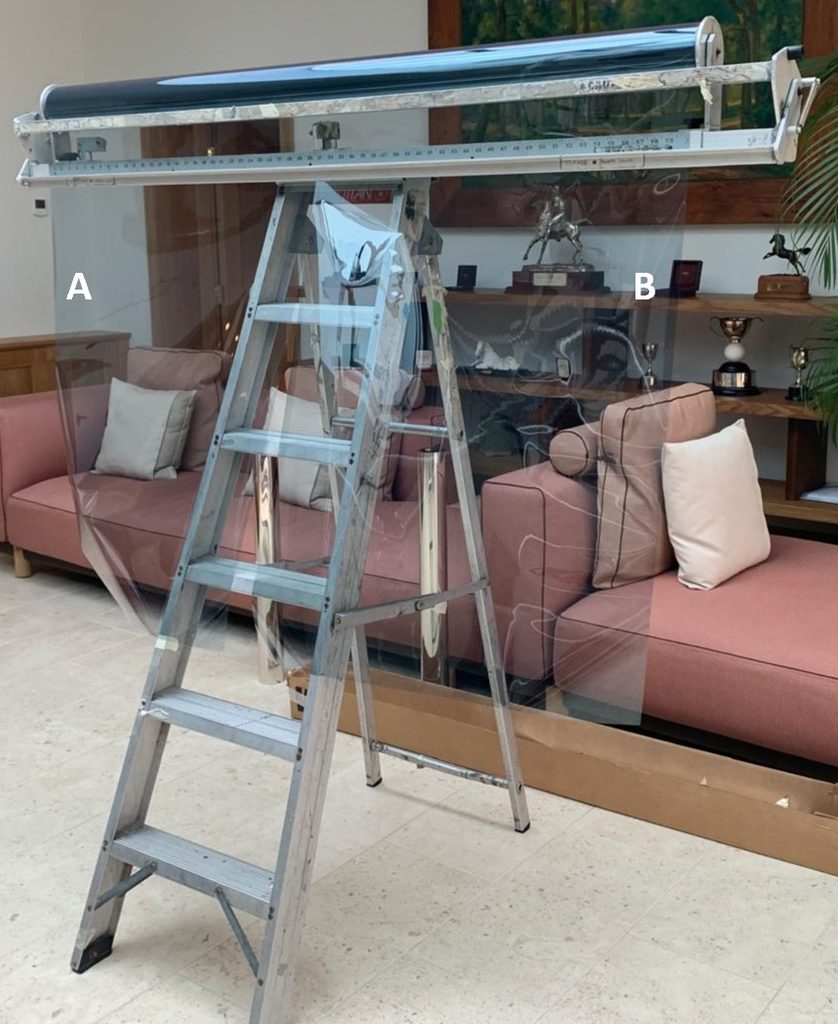
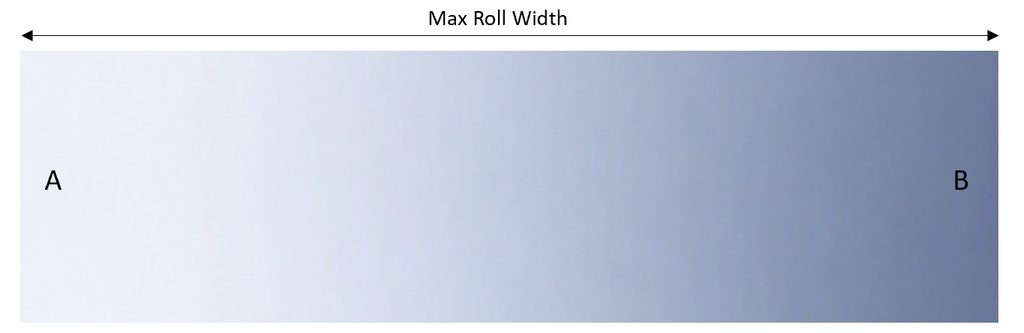
When the installation mixes different edges or rolls from the same type of film, the variation becomes visible.

Manufacturing tolerances create slight differences across the roll. When two different edges meet, one edge appears slightly lighter or darker, creating a visible seam that highlights the independent sections. Using the same factory edge ensures both pieces share identical optical characteristics at the join.

This applies to tinted, reflective, and even completely clear films because their optical density still varies across the roll.
Why Internal Film Joins Look More Visible
Internal solar control film joins look more visible because of the optical order.
When you stand inside your home and look through your glazing toward the outdoors, your eyes encounter the internal film before the glass system. The join sits in the interior foreground, so your visual system compares it against nearby interior surfaces with stronger colours and higher contrast than the exterior scene. Indoor lighting increases this contrast because it is directional and often brighter at the glass surface. It pushes more light onto the film and the join, which makes small differences in tint or reflectance easier to see.
The glazing system sits behind the film and creates a bright, reflective backdrop. Low E coatings and insulated glass reflections intensify the boundary, while the Mach band effect exaggerates minor tint variations. Internal films also rely on darker tones and higher reflectivity to push heat back through modern glazing. They absorb heat raising the internal glass temperature which introduces slight distortion. This distortion can create a subtle halo around the join bringing more attention to it.
External joins are less visible because you view the glazing first, and daylight, reflections and exterior luminance soften contrast, making the join blend into the outside scene.
Window Film Join design layout
Avoid horizontal joins in the viewing zone
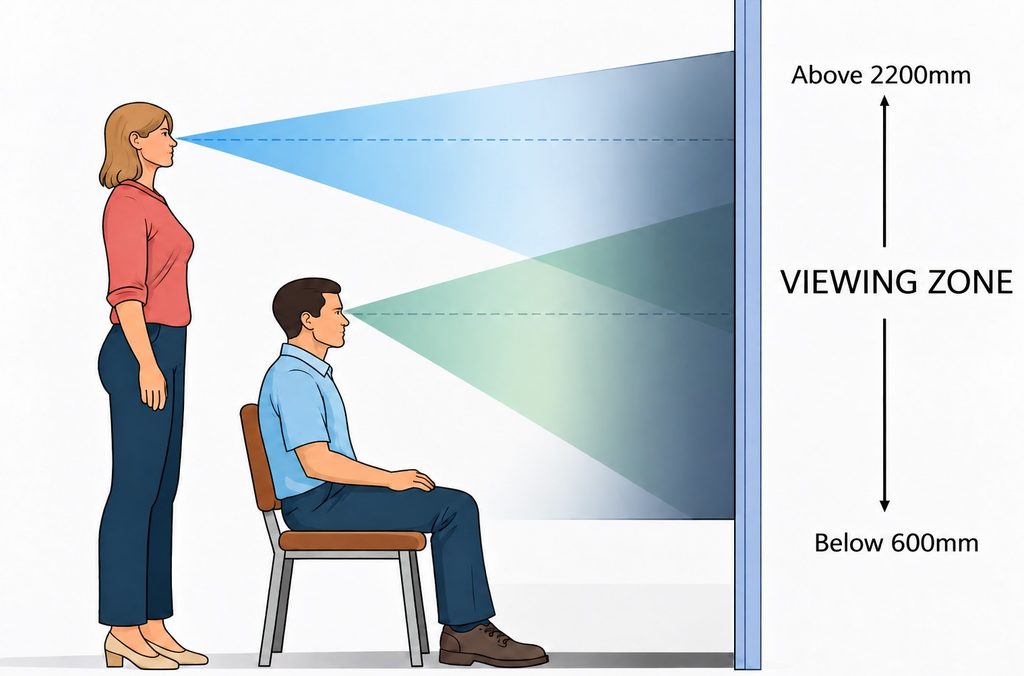
The viewing zone sits between 600 mm and 2200 mm. People naturally look through this part of the glass, so any horizontal join across this area becomes immediately noticeable. The eye exaggerates contrast at boundaries, which makes even a well‑installed horizontal seam stand out simply because of where it sits. Installers treat this zone as protected space with no horizontal lines causing breaks and interruptions
Horizontal joins can work outside the eyeline
A horizontal join can work when it sits outside the viewing zone. Strong architectural breaks such as balcony rails, glass balustrades or external transoms create natural lines where a seam can sit without drawing attention. Installers place these joins intentionally above 2200 mm or below 600 mm. These areas fall outside the viewing zone, so a horizontal line blends into the building and avoids visual disruption.
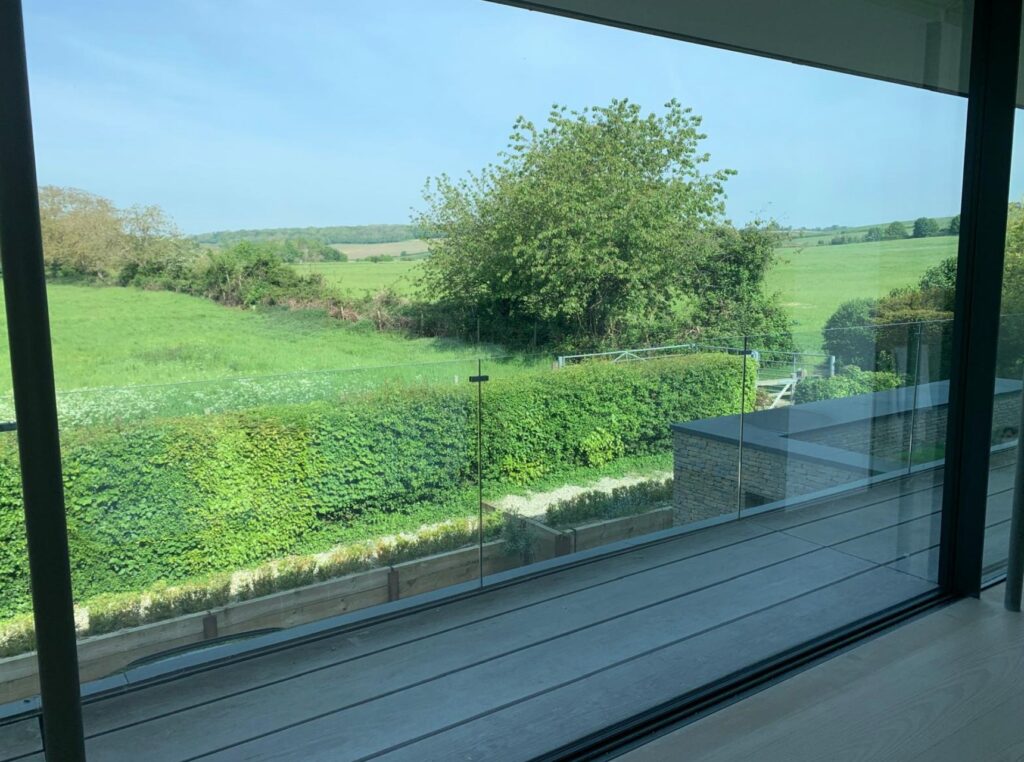
Use vertical joins to follow the architectural rhythm
Vertical joins follow the vertical rhythm of the sliding door system and sit in the same orientation as the mullions and the natural structure of the frame. A vertical line feels intentional and reads as part of the building rather than a flaw. It aligns with the architectural logic following the vertical structure of the mullions.
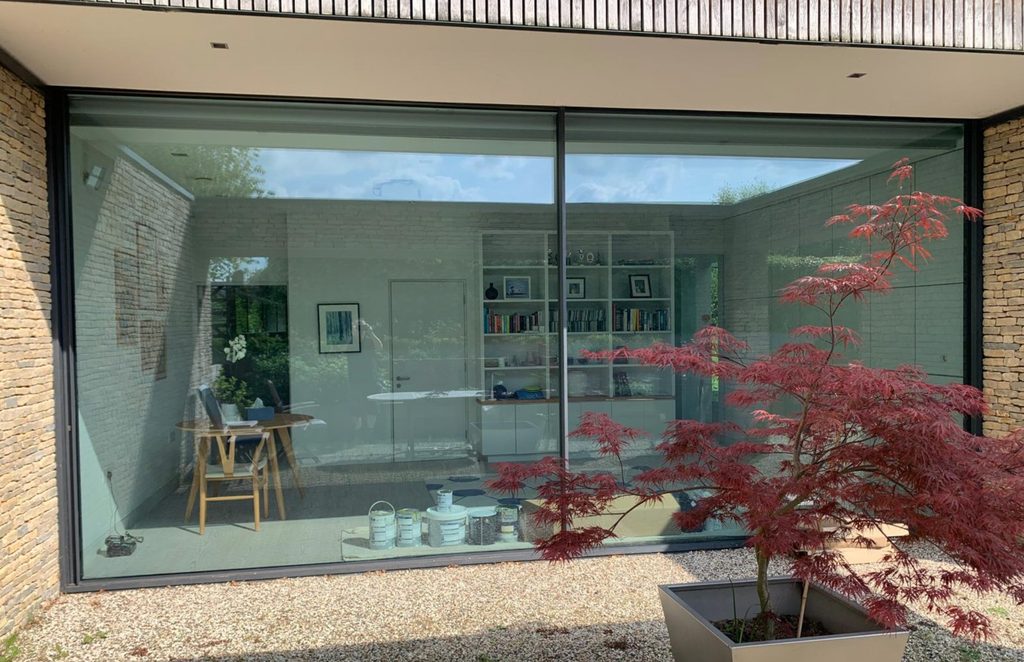
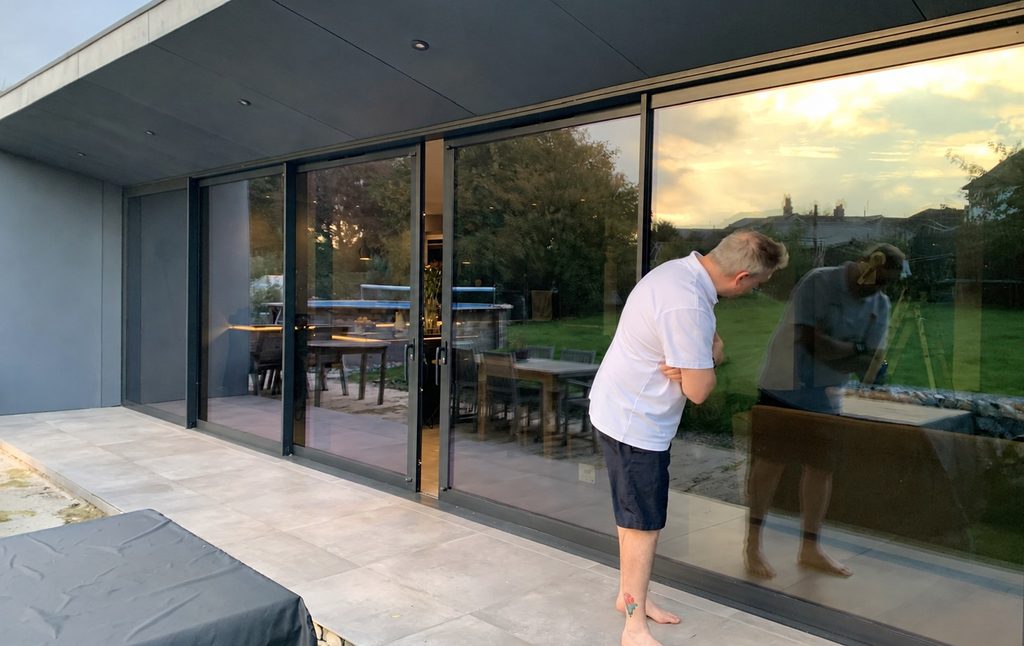
Homeowner gives honest feedback on exterior film joins
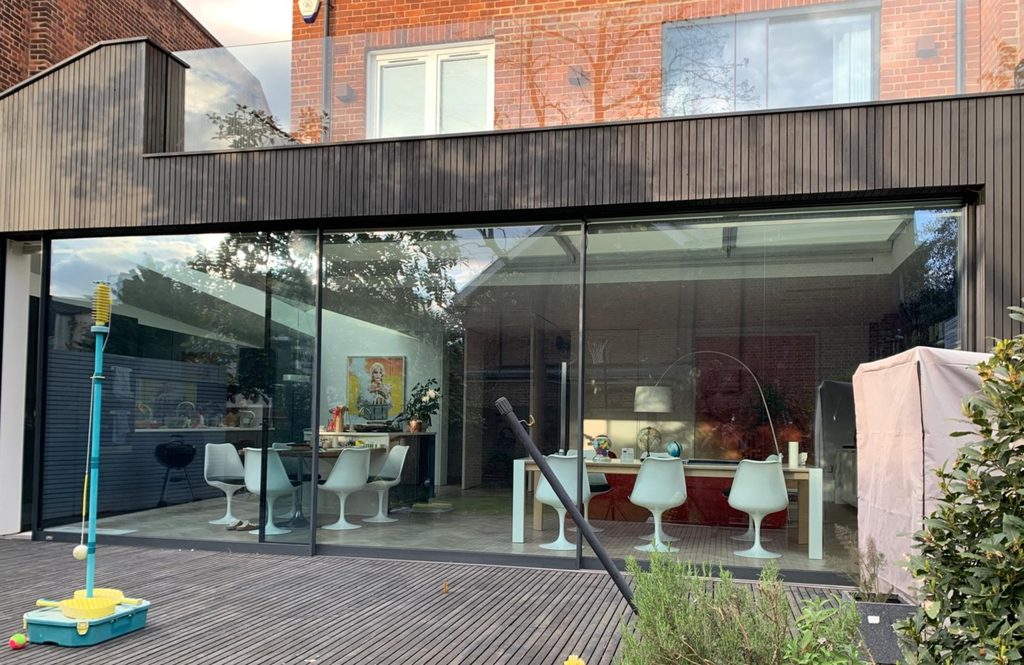
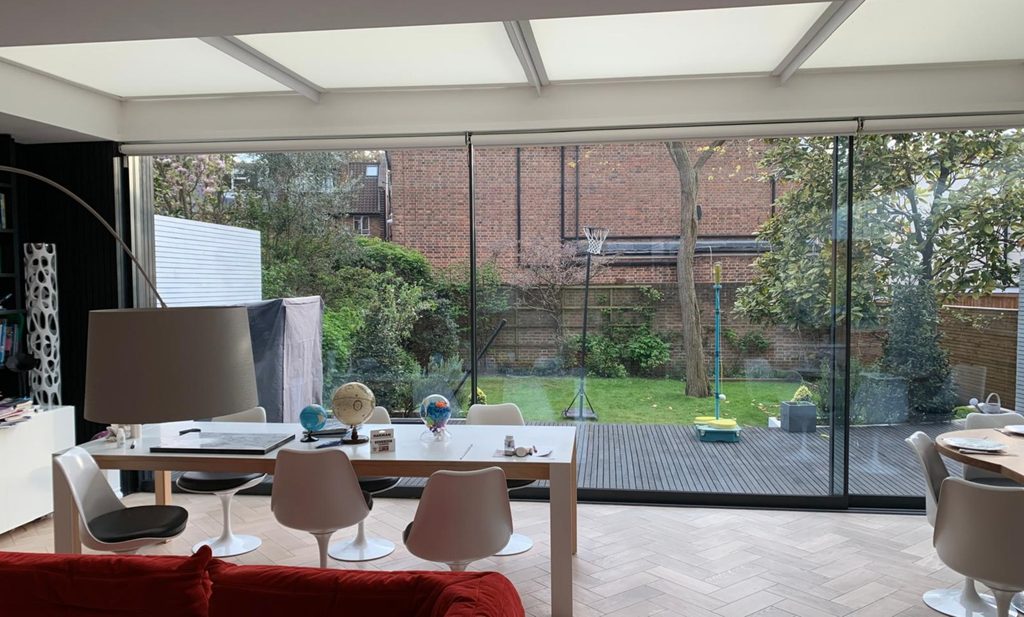
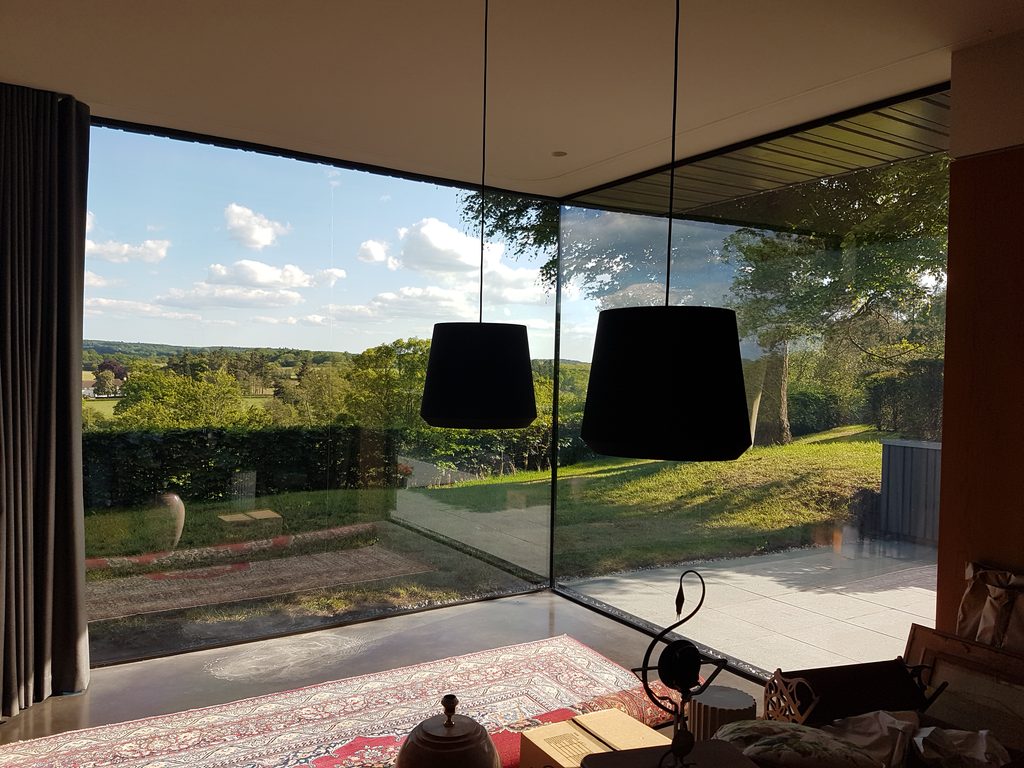
Photos of Filmed Glazed Doors Using Joins

Next Steps
Book a call back with our window film experts using the calender below.
It will be the first step to planning the best solar control film for your large doors, including whether vertical or horizontal joins will work best. A well-designed installation can keep joins discreet while dramatically reducing excess heat, improving comfort throughout your home.
Supporting Articles
Success Story Window Film Mark – WindowTreat
Best Solar Control Films for Modern Glazing: 3M Prestige Exterior Compared – WindowTreat
Making Sense of Window Film Performance Data – WindowTreat
Visual Quality in Window Film Installations – WindowTreat
Understanding Solar Heat Gain: My Professional Guide to a Home with Heavy Glazing – WindowTreat