





You might wonder if smart blinds are just a gadget or a genuine lifestyle upgrade. Our goal is to educate you so you can make the best decision, even if that means you don’t buy from us.
What is Smart Home & Control?
Smart Home & Control refers to the integration of shading systems into a connected ecosystem that manages light and privacy automatically. It moves beyond simple handheld remotes to “scenarios” where blinds react to time, temperature, or voice commands. This involves technologies like Zigbee and Somfy to create a responsive living environment.
What we will cover in this 2026 Guide:
- Beyond the Remote Control: Smart Scenarios
- The Pros and Cons of Smart Systems
- Integration and Technology (Zigbee & Somfy)
- Frequently Asked Questions
Beyond the Remote Control: Smart Scenarios
The true power of automation lies in “scenarios” rather than manual operation. A scenario is a pre-programmed set of actions that happen automatically to suit your lifestyle. This transforms your shading from a passive product into an active participant in your home comfort.
Think of “Cinema Mode.” With a single voice command or button press, your blackout blinds lower and the lights dim. This creates an instant atmosphere without you having to run around the room adjusting individual cords.
Another powerful application is the “Holiday Mode.” We often share the story of a customer who used their electric blinds to create “implied occupancy.” When the family was away, the system lowered the blinds at dusk. Shortly after, lights on the landing and in the bathroom would switch on. This convincing illusion that someone is home moving through an evening routine provides genuine security and peace of mind.
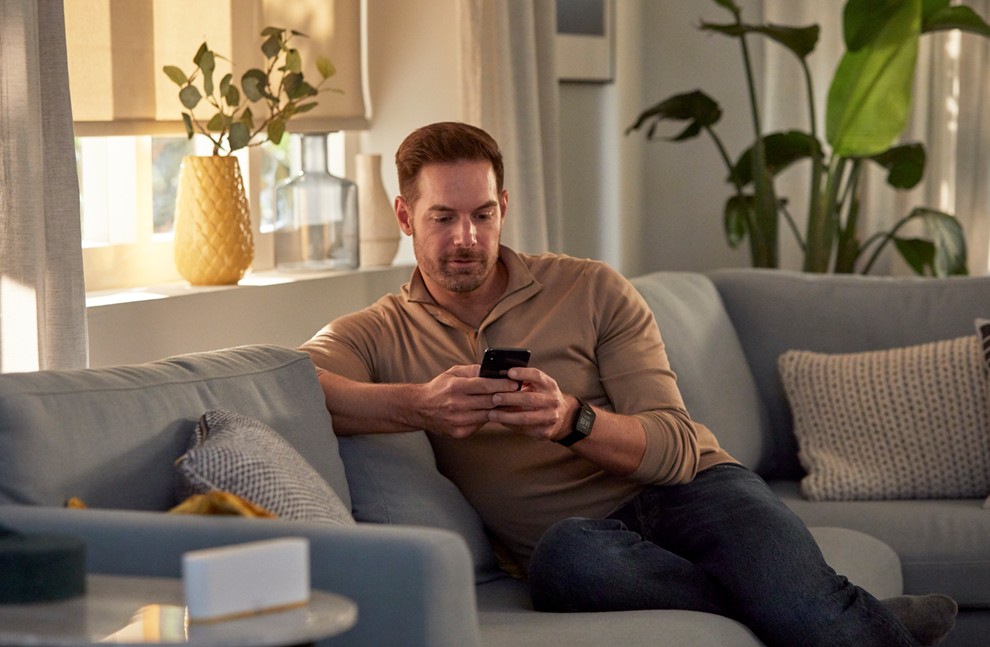
This technology fits seamlessly into daily family life.
Chris, one of our specialists, notes how quickly his daughter adapted to this technology. Voice control became second nature to her. If she could not just talk to her blind to open it, it would likely stay shut all day. This illustrates how intuitive technology integrates seamlessly into family life.
The Pros and Cons of Smart Systems
You must weigh the lifestyle benefits of automation against the higher initial investment. Smart systems offer convenience, security, and energy efficiency, but they require a more complex setup than manual options.
We believe in being honest about the downsides. The cost is higher because you are paying for advanced motors and hubs. There is also a learning curve with any new technology. However, the ability to manage heat and glare proactively often outweighs these initial hurdles.
For a detailed breakdown of the trade-offs, you should read our guide on smart electric blinds pros and cons. It covers the realities of cost, reliability, and the specific lifestyle upgrades that automation provides.
Learn more in our detailed article: Smart electric blinds: What are the real pros and cons?
Integration and Technology
We use the Zigbee protocol to ensure robust communication between your blinds and your smart home system. Zigbee creates a “mesh network” where each device strengthens the signal for the next. This eliminates the “dead zones” that can plague older radio systems.
This allows for bi-directional communication. Unlike older systems that just listened for a “go” signal, modern motors can talk back. They can tell you exactly where the blind is positioned or if the battery needs charging.
We primarily work with Somfy motors because they are at the forefront of this technology. They integrate seamlessly with major platforms like Google Home and Alexa. This means you can control your bi-fold door blinds or roof lantern blinds using the same interface you use for your heating or music.
Frequently Asked Questions about Smart Home & Control
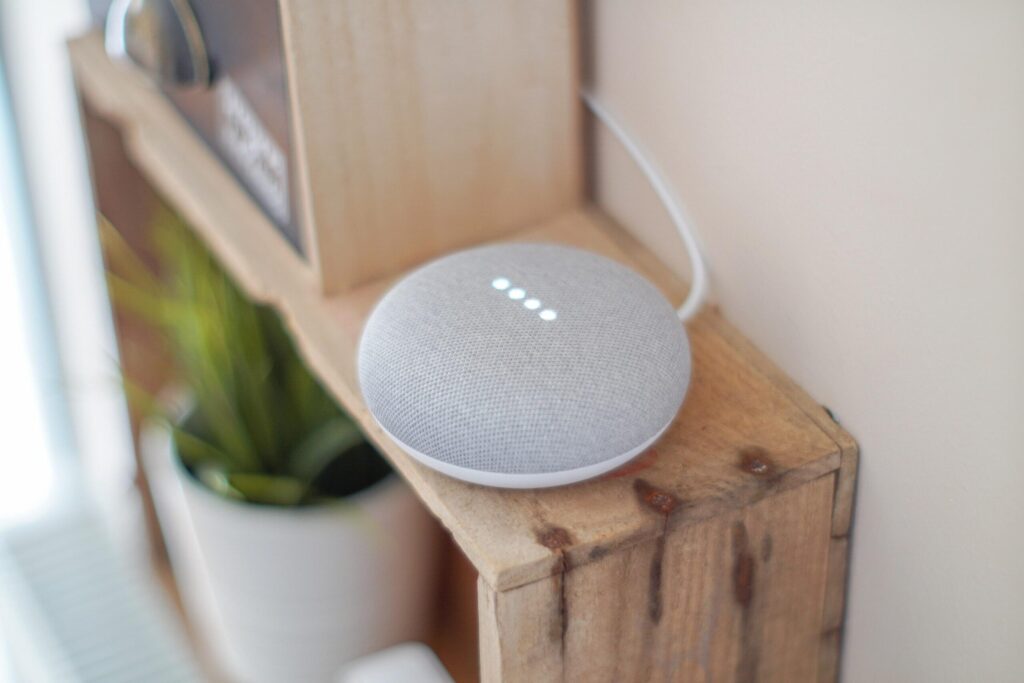
Q: Will smart blinds work with my existing Alexa or Google Home? A: Yes. We use a dedicated smart hub, like the Somfy TaHoma, which acts as a secure bridge between your blinds and your home’s Wi-Fi. This allows for simple voice commands and integration into smart home routines.
Q: Do I need a complex home automation system like Crestron? A: No. While our blinds can integrate with high-end systems like Crestron or Control4, modern hubs make automation accessible without a five-figure investment. You can achieve sophisticated control with off-the-shelf products.
Q: What happens if the internet goes down? A: Your blinds will still operate using their local remote controls. The smart features rely on the network, but the fundamental operation of the motor does not.
Next Steps for Your Project
Automation turns a house into a responsive home. By planning for smart integration early, you ensure your shading works in harmony with your lifestyle.
This approach aligns with our S.H.A.D.E. principle of “Human-Centred Design.” Technology should serve the person, not the other way around.
If you are ready to explore how automation can enhance your home, we invite you book your consultation.