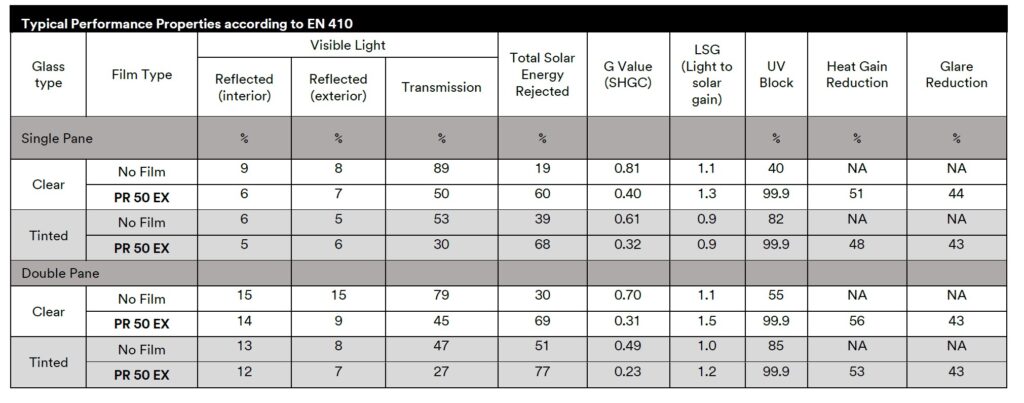
Manufacturers present figures such as Solar Heat Gain Reduction, TSER, glare reduction and visible light transmission, and these numbers look scientific at first glance. However, they rarely explain what you will actually experience inside your home.
Over the years, the window film industry has relied on the same testing standards. As a result, the information often mixes film‑only performance with glazing‑and‑film performance and highlights numbers that appear impressive without showing the real improvement you will feel.
To make this easier to understand, we will use 3M Prestige 50 exterior as an example. The same principles apply to every window film, regardless of brand. By breaking down each performance figure in plain English, you will see what the numbers truly mean and how they relate to comfort, heat reduction, brightness and the reflectivity of your glazing.
Before We Look at the Numbers
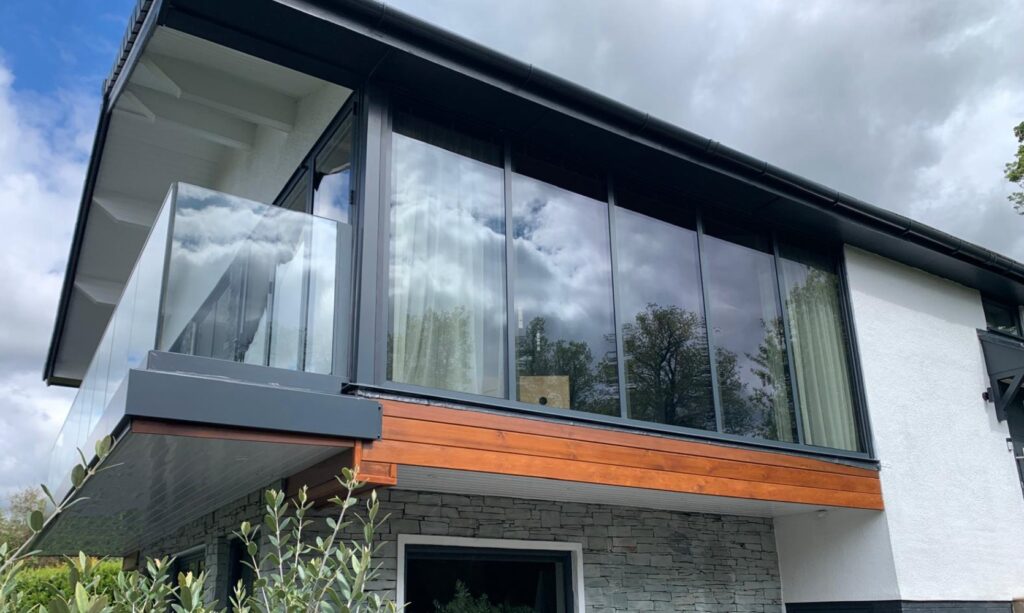
The first thing to understand is that glazing already removes visible light and solar energy. As glazing becomes more advanced, the amount removed of each increases. Modern double glazing is not well represented on manufacturer data sheets. Yet it is what most homeowners have in their homes. Modern insulated glazing units use low emissivity coatings. They are designed to keep heat inside the home, and these coatings influence the numbers.
Internal solar films must work through these modern coatings. They significantly reduce the performance compared to the numbers on data sheets. Those figures are based on standard double glazing that do not behave like today’s energy efficient glazing.
Why Internal Solar Control Films Struggle on Modern Double Glazing – WindowTreat
In contrast, exterior films stop the heat before it enters the glazing system. Since they work outside the low emissivity coatings, their performance stays closer to the published data.
Understanding Visible Light Transmission (VLT) and Glare Reduction
The core concept homeowners need to grasp is that VLT and glare reduction are related, but they measure two different things. One describes how much visible light passes through the glazing system, and the other describes how much visible light is removed by the film itself.
Visible Light Transmission is the total amount of visible light that passes through the filmed glazing system.
It is always measured after the film has been applied to the glass, which is why the number changes depending on whether the film is installed on single, double, or low‑E glazing.
- Clear double glazing typically transmits 79% of visible light.
- Our eyes do not notice this 21% loss because it is part of the normal glazing stack.
- When a film is added, the system VLT becomes the product of the glass VLT and the film’s own VLT.
Glare reduction is based on the film alone, not the glazing system. It tells you how much visible light the film removes compared with the untreated glass.
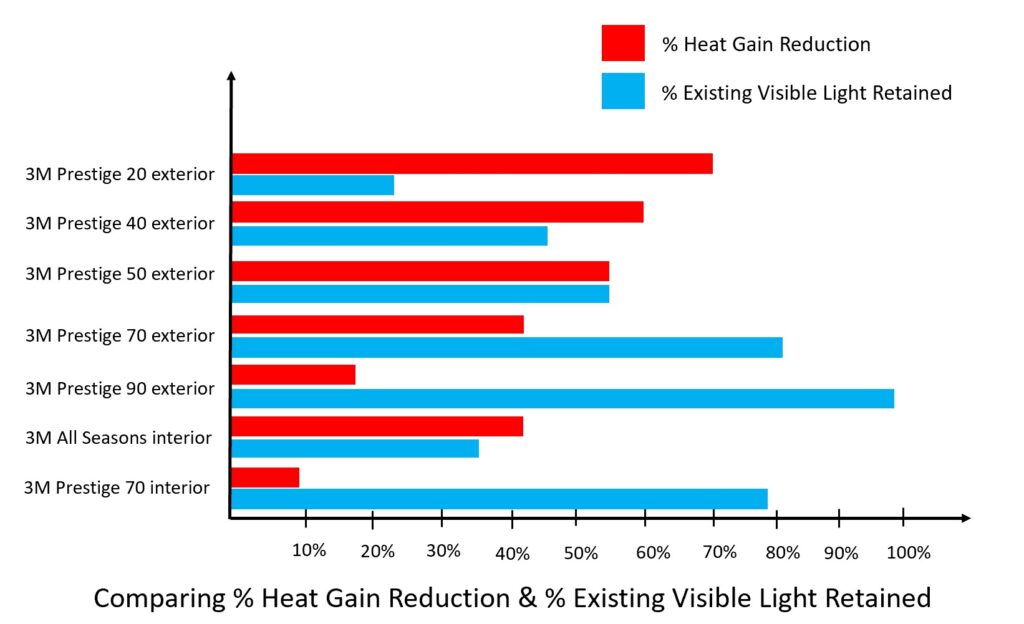
If 3M Prestige 50 exterior has a glare reduction of 43% on clear double glazing it still allows 57% visible light through the film which WindowTreat refers to as the ‘existing light transmission retained’. Combine this with the visible light transmission of clear double glazing of 79% gives the combined visible light transmission of 45%
This is why glare reduction and VLT never match. Glare reduction is a film-only metric, while VLT is a system metric.
WindowTreat prefers describing existing light transmission retained because it focuses on the effect of the film alone on your existing glazing, rather than the combined glazing and film system. It tells you how much of your current visible light will still pass through once the film is applied.
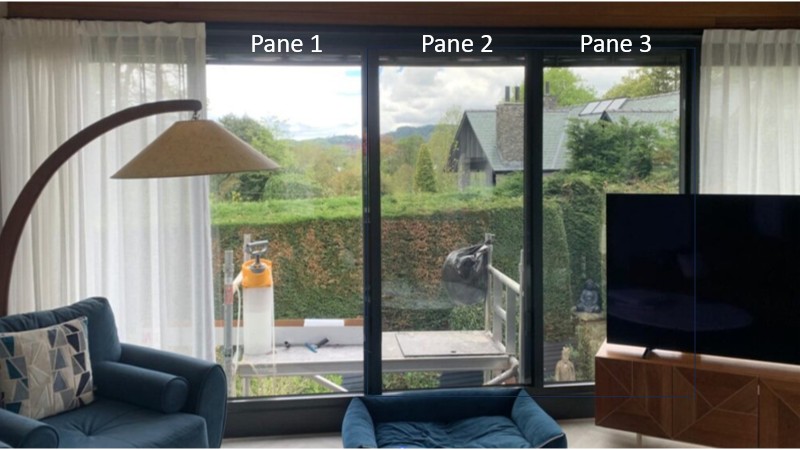
Panes 2 and 3 have have been treated with 3M Prestige 50 exterior and now have a glare reduction of 43% (VLT of 45%) The reality is this doen provide protection from brightness as it’s existing visible light retained is 57%. Pane 1 is untreated.
Misunderstood data performance numbers can be deceiving compared to the reality.
Understanding Visible Light Reflected Interior and Exterior
Metallised films often increase both exterior reflection during the daytime and interior reflection at night. The metal content inside these films adds reflectivity on top of the natural reflection already produced by modern glazing. As a result, many homeowners assume that strong performance always requires a mirror effect. This idea holds true for internal films on modern double glazing because the exterior reflectivity is need to overcome the low emissivity coatings.
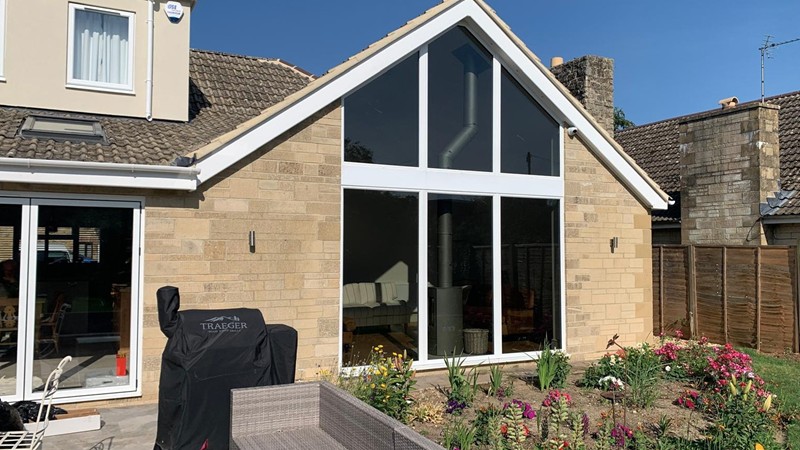
However, advanced exterior films behave very differently. The 3M Prestige exterior series is engineered without metals, so it avoids the harsh mirror effect associated with traditional solar films. Instead, it actively reduces both interior and exterior reflections compared with the bare glass. As a result, the glass looks more natural during the day and avoids the bright internal reflections that can be distracting at night.
Understanding Solar Heat Gain Reduction and TSER
Solar Heat Gain Reduction tells you how much extra heat the film prevents from entering your home through your existing glazing. It focuses on the improvement to your glass once the film is installed, which is why WindowTreat prefers this metric. It is the most transparent measure of real performance because it isolates the film’s contribution rather than mixing it with what the glass already does.
Total Solar Energy Rejected (TSER) works differently. TSER measures the combined solar energy removed by the entire glazing system, whether the glass has film on it or not. Modern double glazing already removes a significant portion of solar energy, so TSER always appears higher. This can make a film look more powerful on paper than it actually is in real‑world conditions.
For 3M Prestige 50 Exterior:
- TSER is 69%
- Modern double glazing already removes about 30% of solar energy
- The film alone improves the glazing performance by 56%. This is the % heat gain reduction.
This is the number that should matter to homeowners. It shows the actual reduction in heat entering the home because of the film, not the combined effect of the glass and film together.
Understanding Solar Heat Gain Coefficient (The g‑value)
The Solar Heat Gain Coefficient, or g‑value, is one of the most important glazing performance numbers. It tells you how much of the sun’s total solar energy enters your home through the glass, including visible light, infrared energy and absorbed heat that re‑radiates inward. Although it sounds similar to Solar Heat Gain Reduction, the two metrics describe the same phenomenon from different angles.
How the g‑value works
The g‑value is expressed as a number between 0 and 1, making it easy to interpret.
- 0.70 means 70% of solar energy enters
- 0.40 means 40% enters
- 0.20 means 20% enters
Modern double glazing typically has a g‑value of 0.60 to 0.70, which means a large amount of solar heat still enters the home. This is why overheating is common in newer properties with large glazed areas.
How window films affect the g‑value
When you apply a solar control film, the g‑value drops because the film reduces the amount of solar energy entering the room. The new g‑value becomes the combined performance of the glass and the film.
This is where the relationship between the two metrics becomes clear:
- The g‑value or solar heat gain coefficient tells you how much heat still enters
- Solar Heat Gain Reduction tells you how much extra heat the film stops
Both describe the same event, but one focuses on the final heat entering the home, while the other focuses on the film’s improvement to your existing glazing.
Why g‑values matter for homeowners & architects
The g‑value is the clearest indicator of how hot a room will feel during a heatwave. A lower g‑value means:
- Less solar energy entering
- Lower peak temperatures
- Reduced reliance on cooling
- More stable comfort throughout the day
It remains the glazing industry’s standard measure of solar heat gain and is the most direct way to compare the thermal performance of different glazing systems.
Modern double glazing treated with 3M Prestige 50 exterior has a g-value of 0.31
Understanding Light‑to‑Solar Gain (LSG)
Light to Solar Gain, often written as LSG, is also a useful ratio for comparing how efficiently a window film delivers daylight while reducing heat. It helps homeowners & architects understand whether a film provides high solar control without making the room feel dark.
LSG links two familiar performance values
- Visible Light Transmission (VLT)
- Solar Heat Gain Coeefficient (SHGC or G-value)
The ratio shows how much useful daylight you get for every unit of solar heat the glazing system doesn’t allow into your home. The higher the ratio the better the performance.
Why LSG matters
LSG is one of the clearest indicators of comfort efficiency:
- A high LSG means bright rooms with less heat
- A low LSG means darker rooms with similar heat reduction
This is why advanced, spectrually selective films like 3M Prestige Exterior stand out. They achieve strong heat rejection without relying on heavy tinting or metallic reflectivity, resulting in high LSG values. 3M Prestige 50 exterior has a LSG ratio of 1.5.
If the Light‑to‑Solar Gain ratio is high, it means the glazing system is removing more infrared heat than visible light. This matters because visible light is easily ventilated, while near infrared heat behaves very differently. Infrared warms every surface it touches, changes wavelength and continues heating your home long after the sun has gone to bed.
By removing more infrared heat, you reclaim more of your living space. You can sit closer to the glazing without feeling uncomfortable, even during strong sunlight.
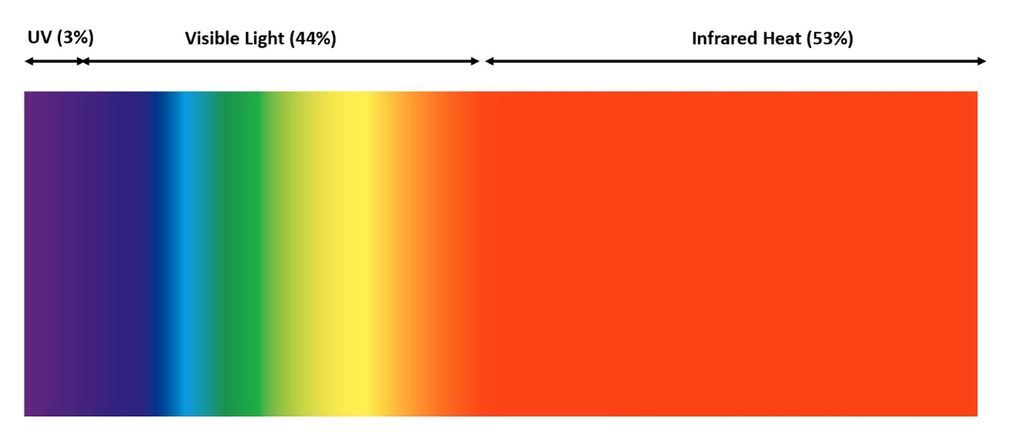
This becomes even more important when you consider the proportions of solar energy at ground level:
- 53% near infrared heat
- 44% visible light
- 3% ultraviolet
With infrared making up more than half of all solar energy, films with a high LSG deliver meaningful comfort improvements without sacrificing as much daylight.
Understanding Ultraviolet (UV) Block and Its Role in Fading Protection
Glass already removes a portion of ultraviolet radiation, but harmful UV still passes through, and it continues to damage both skin and furnishings. When you apply a modern window film, the UV protection increases dramatically. Most high‑quality films block over 99% of UV rays, which eliminates the largest single contributor to fading.
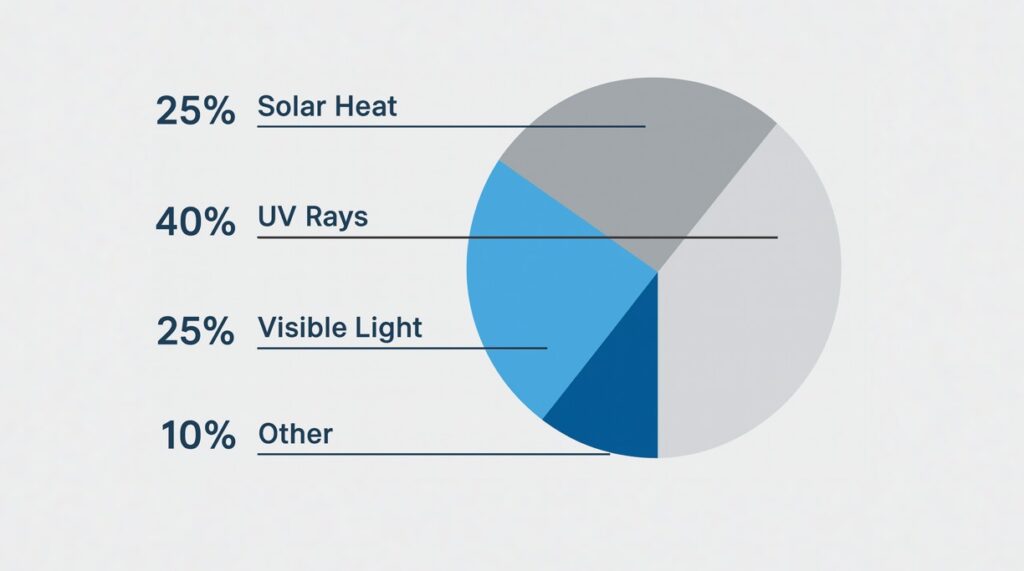
UV accounts for 40% of the fading process. When you combine this with reductions in visible light and solar heat at various levels, you gain a clear understanding of how to build an informed and effective defence against fading inside your home.
In the end, making sense of window film performance data is about turning technical measurements into meaningful, real‑world outcomes. When you understand how a film manages visible light, infrared heat and ultraviolet, the numbers stop being abstract and start telling a clear story about comfort, clarity and protection. Modern films reshape how your home feels, allowing you to enjoy brighter spaces with less heat, reclaim areas you once avoided and protect the things you care about. With the right knowledge, you can choose a film not by guesswork, but by understanding exactly how it will perform on your glazing and how it will improve everyday life inside your home.
Next Steps
If you are ready to explore the right window film for your home, send in your enquiry and our experts Steve and Chris will help you understand any performance data you are unsure about. If you prefer to talk it through, you can schedule a call back using the diary below. We are here to make the process clear, simple and tailored to your home.
Supporting Links
Why Internal Solar Control Films Struggle on Modern Double Glazing – WindowTreat
Best Solar Control Films for Modern Glazing: 3M Prestige Exterior Compared – WindowTreat
Cooling a New Build with Heat Rejecting 3M Window Films – WindowTreat
Heatwaves, Solar Gain and Smarter Cooling Strategies – WindowTreat
3M™ Sun Control Window Films, Prestige Exterior Series | 3M United Kingdom