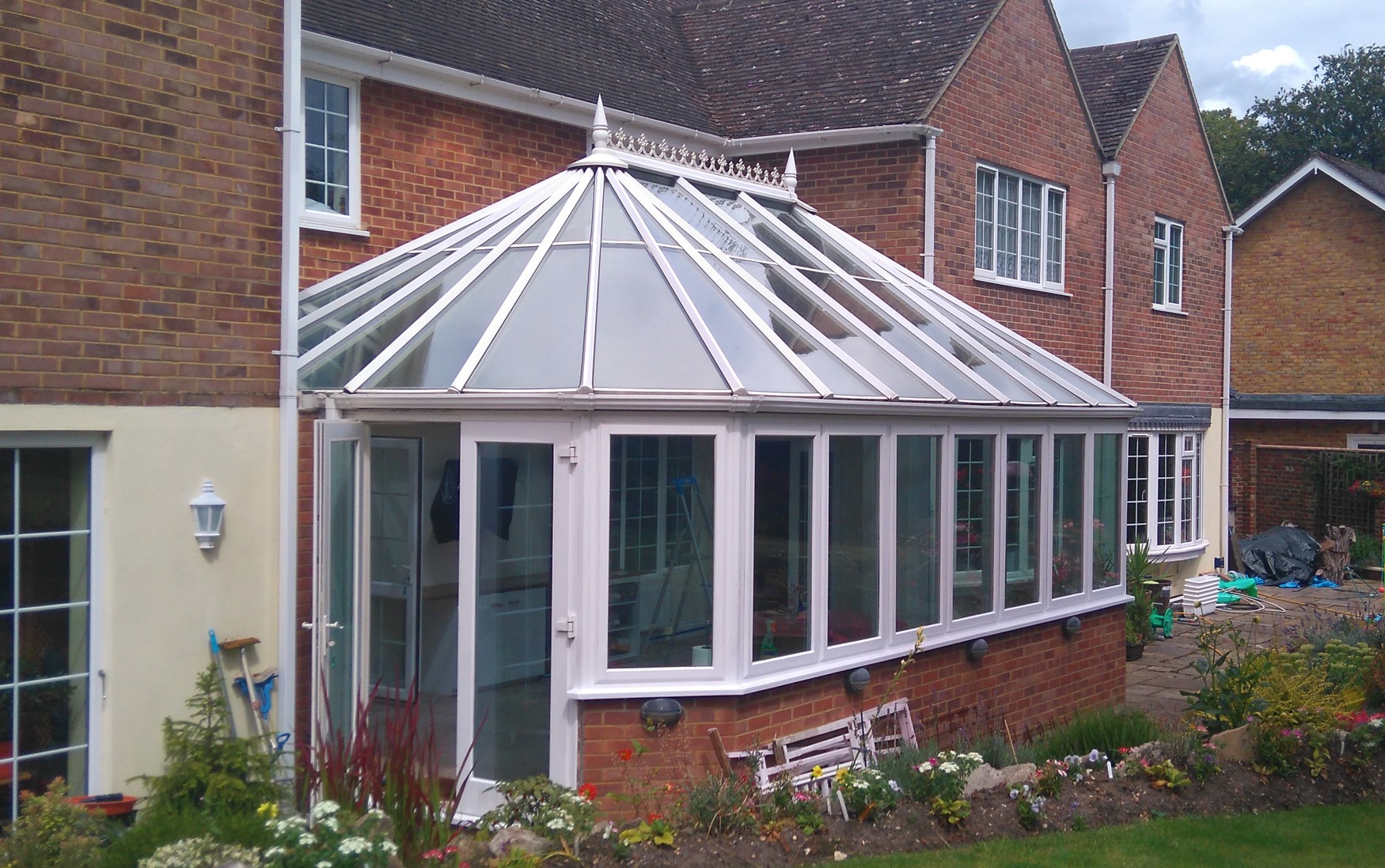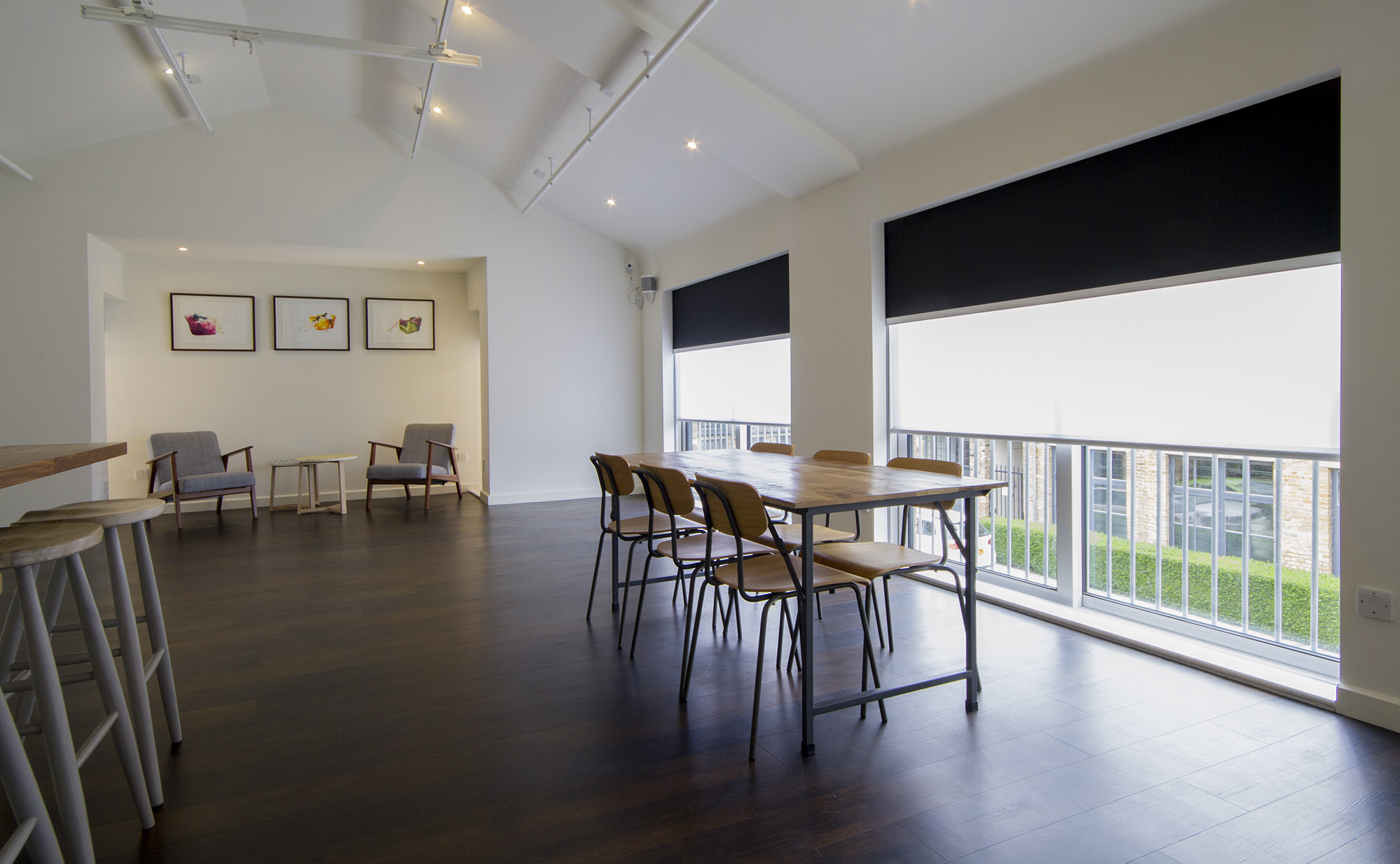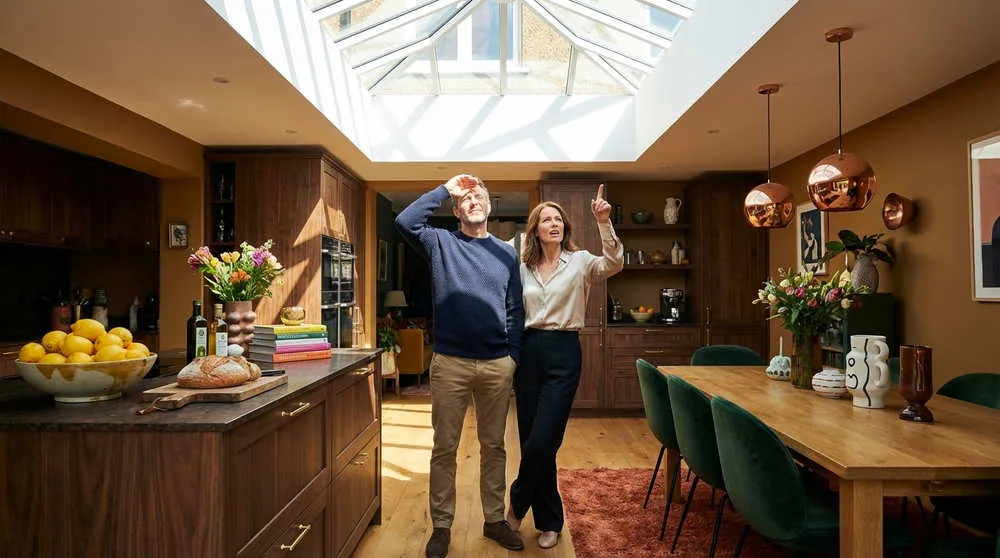








You likely arrived here because the dream of your light-filled extension has collided with the reality of living in it. You might be finding the room unbearably hot in summer, blindingly bright when you try to work, or feeling like you are living in a “goldfish bowl” at night.
We understand that frustration completely. Our goal is to educate you so you can make the best decision, even if that means you don’t buy from us.
What is Heat, Glare & Privacy?
In the context of modern architecture, managing “Heat, Glare & Privacy” is about controlling the internal environment of highly glazed spaces. It moves beyond simple window covering to building physics. It involves selecting engineered shading systems that regulate solar gain (heat), filter visual light (glare), and provide security (privacy) without permanently sacrificing the view you paid for.
What we will cover in this 2026 Guide:
- The “Greenhouse” and “Goldfish Bowl” Problems
- The Science of Heat Control
- Fabric Selection for Performance
- Seasonal Use
- Privacy Solutions
- Inside vs. Outside Shading
The “Greenhouse” and “Goldfish Bowl” Problems
The root cause of your discomfort is often a conflict between the architectural concept and the reality of comfort. Beautiful walls of glass are fantastic for light, but without control, they create extremes that can make a room unusable.
The glass isn’t at fault; it’s just doing its job. It needs help to perform correctly. We often see common glazing and shading mistakes where the focus on the “grand vision” overshadows the practical need for shading. If you rely solely on high-performance glass, you are taking a passive approach. Glass lets heat in but traps it, turning your extension into a greenhouse.
To solve this, we use the S.H.A.D.E. framework. This approach prioritises “Human-Centred Design” and “Directing the Light.” It means accepting that shading is not an accessory but a critical system required to make the architecture liveable.
Learn more in our detailed article: What common glazing and shading mistakes do architects make?
The Science of Heat Control
To stop your room from overheating, you must focus on reflection rather than absorption. Many homeowners instinctively choose dark fabrics to block the sun, but this is a scientific error.
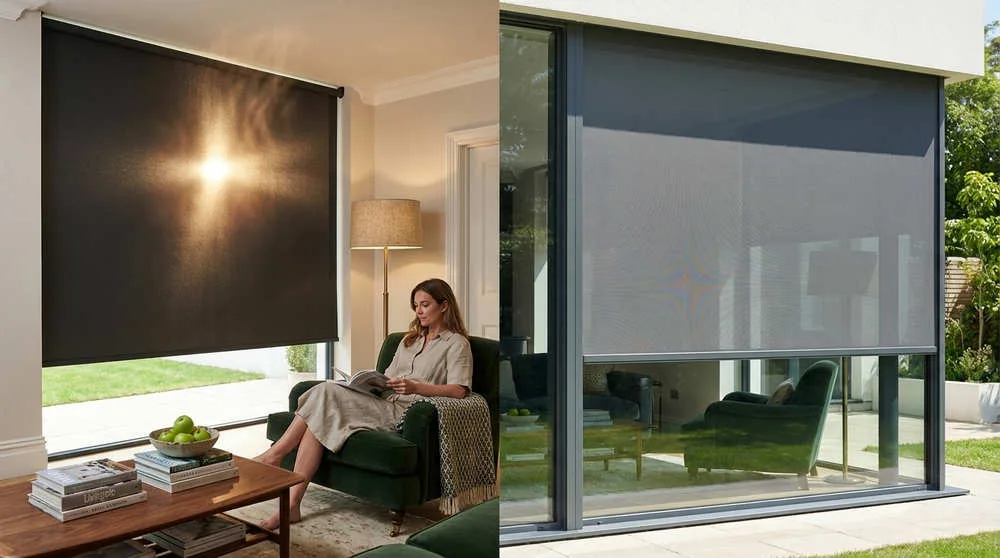
When sunlight hits a dark blind, the fabric absorbs the energy and radiates it into the room as heat. To keep a room cool, you need to understand how blind fabrics control heat and light. The most important metric is Solar Reflectance (Rs). This number tells you how much energy the fabric bounces back through the glass.
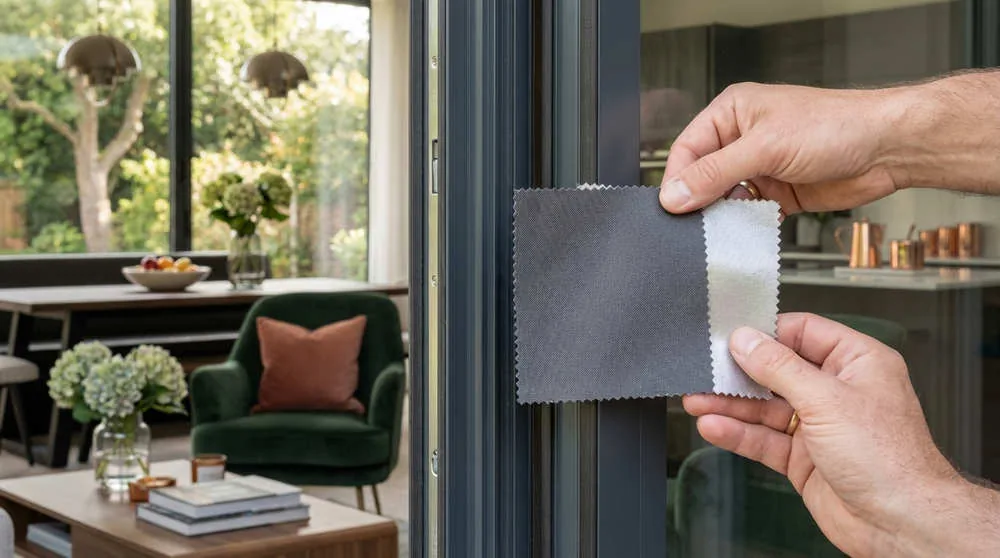
A high-performance fabric works like a mirror. By reflecting the energy away before it is absorbed, you stop the heat build-up at the source. Standard fabrics simply cannot achieve this. To avoid choosing the wrong electric blind fabric, you must ask suppliers for the technical data on Solar Reflectance, not just a colour swatch.
Learn more in our detailed article: Blind fabrics compared: Which ones actually control heat and light best?
Fabric Selection for Performance
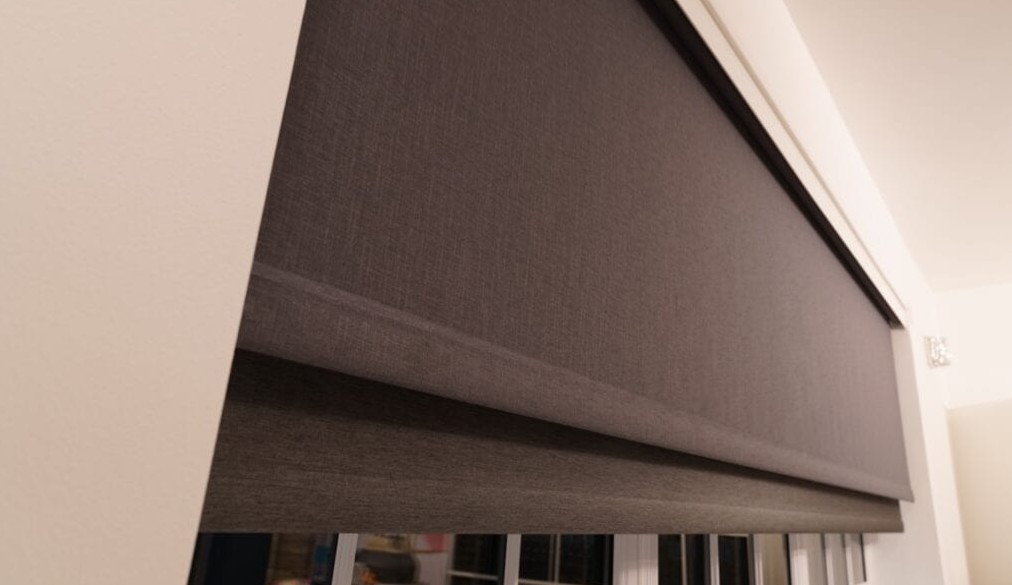
The best fabrics for heat control often feature a metallised backing that reflects up to 80% of solar energy. This technology allows you to have the best of both worlds: high performance and aesthetic choice.
Standard fabrics force a compromise. Dark fabrics are great for the view but absorb heat. Light fabrics reflect heat but can create a hazy glare. We explain which blind fabrics handle heat and glare best by looking at metallised options. These technical textiles have a microscopic layer of aluminium on the reverse side. This layer reflects the heat regardless of the fabric colour facing into the room.
While these are premium materials, they offer superior value. When considering which electric blind fabrics offer the best value, you must look at the “useful lifespan” and the protection they offer your furnishings. A cheap fabric that fades your sofa costs you more in the long run.
Learn more in our detailed article: Which blind fabrics genuinely handle heat and glare best?
Seasonal Use
Your extension should be a joy to use in every season, not just when the weather is mild. The goal is to move from a position of compromise to one of control.
In summer, the priority is heat rejection. In winter, the priority shifts to heat retention and privacy. To enjoy your glazed extension in every season, you need a system that adapts. Active shading allows you to harvest the sun’s warmth on a cold winter day by opening the blinds, or trap heat in the evening by closing them.
Fixed solutions like solar control glass cannot do this. They block the sun’s free heat even in winter when you want it. Electric blinds give you the flexibility to manage the environment dynamically, ensuring your investment in the space pays off year-round.
Learn more in our detailed article: How do I enjoy my extension with large glass expanses – in every season?
Privacy Solutions
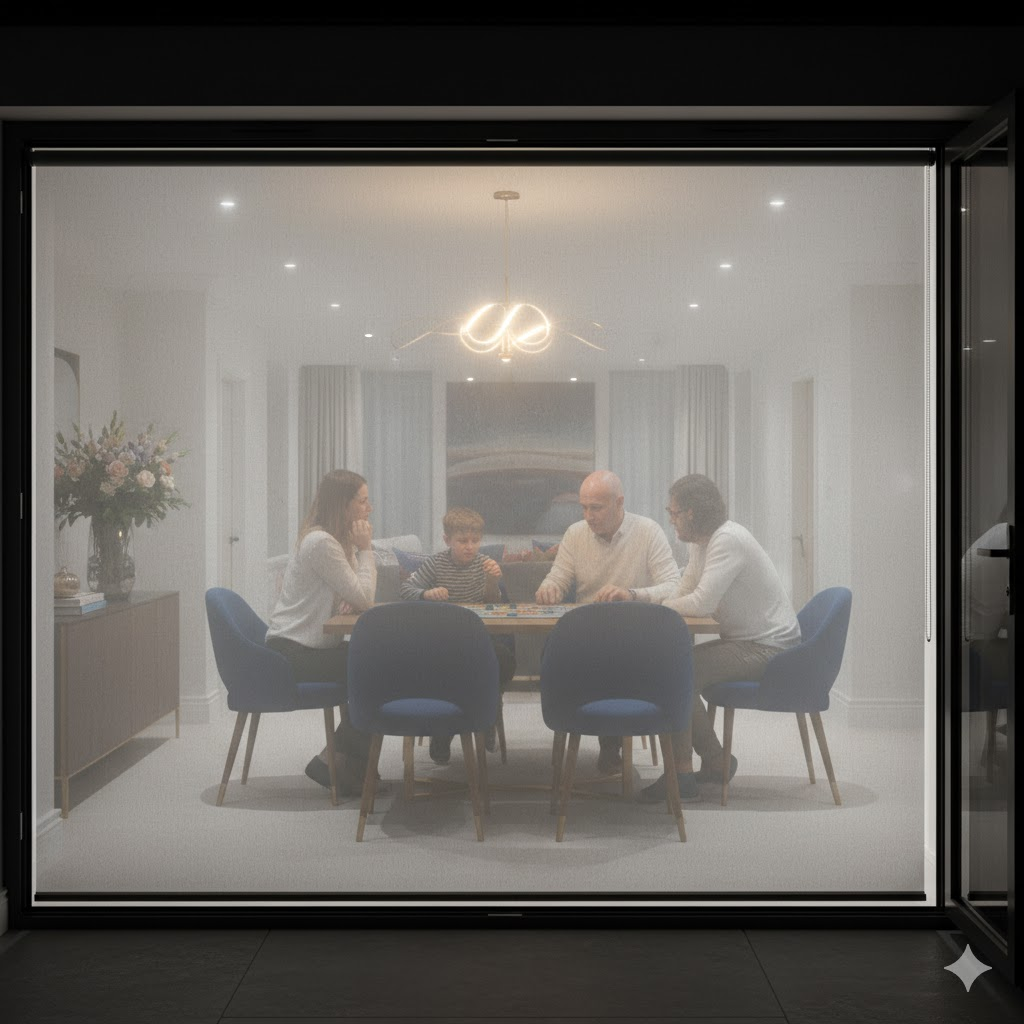
The “Goldfish Bowl” effect is the uncomfortable feeling of being exposed at night when your internal lights turn the glass transparent from the outside. This reverses the daytime dynamic and ruins the sense of sanctuary.
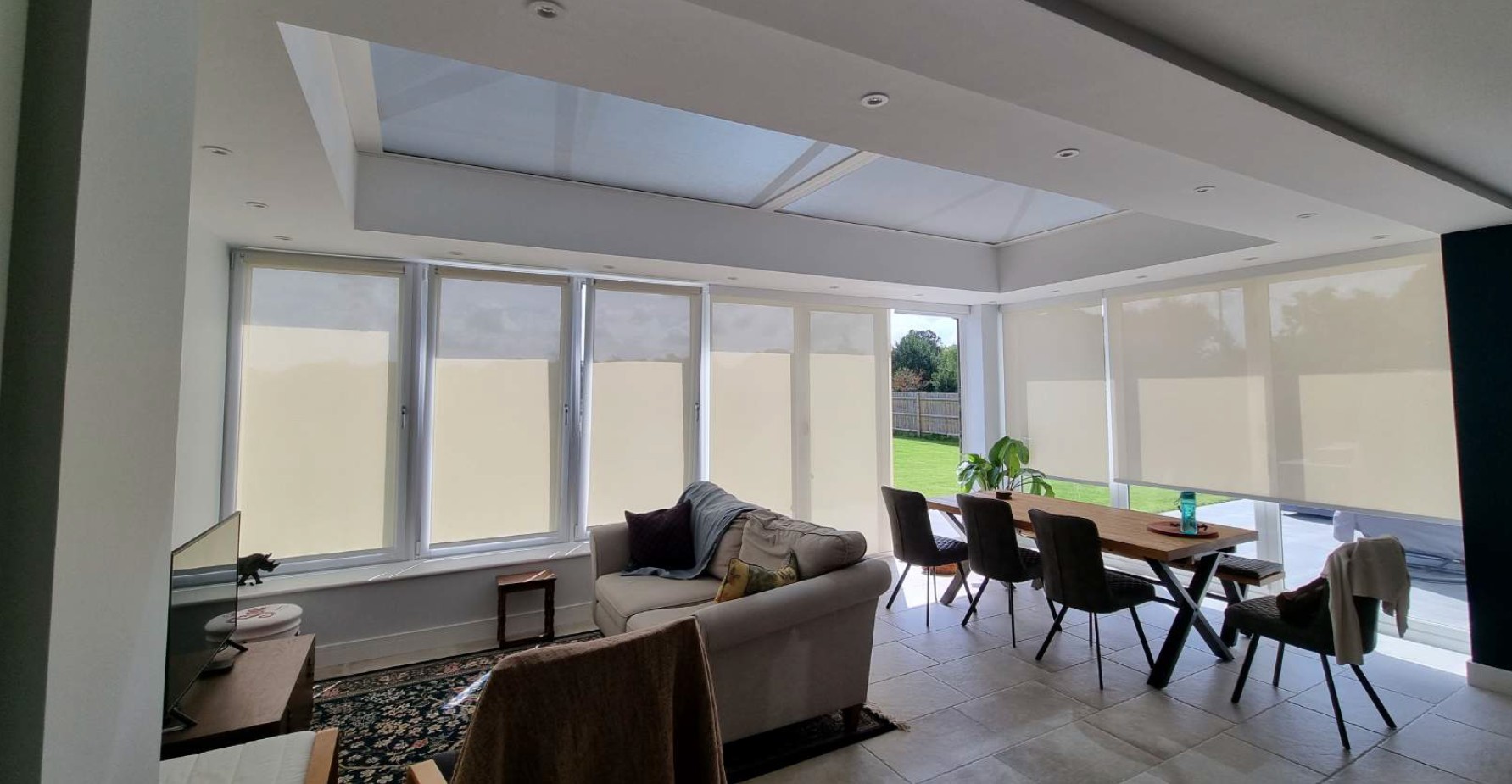
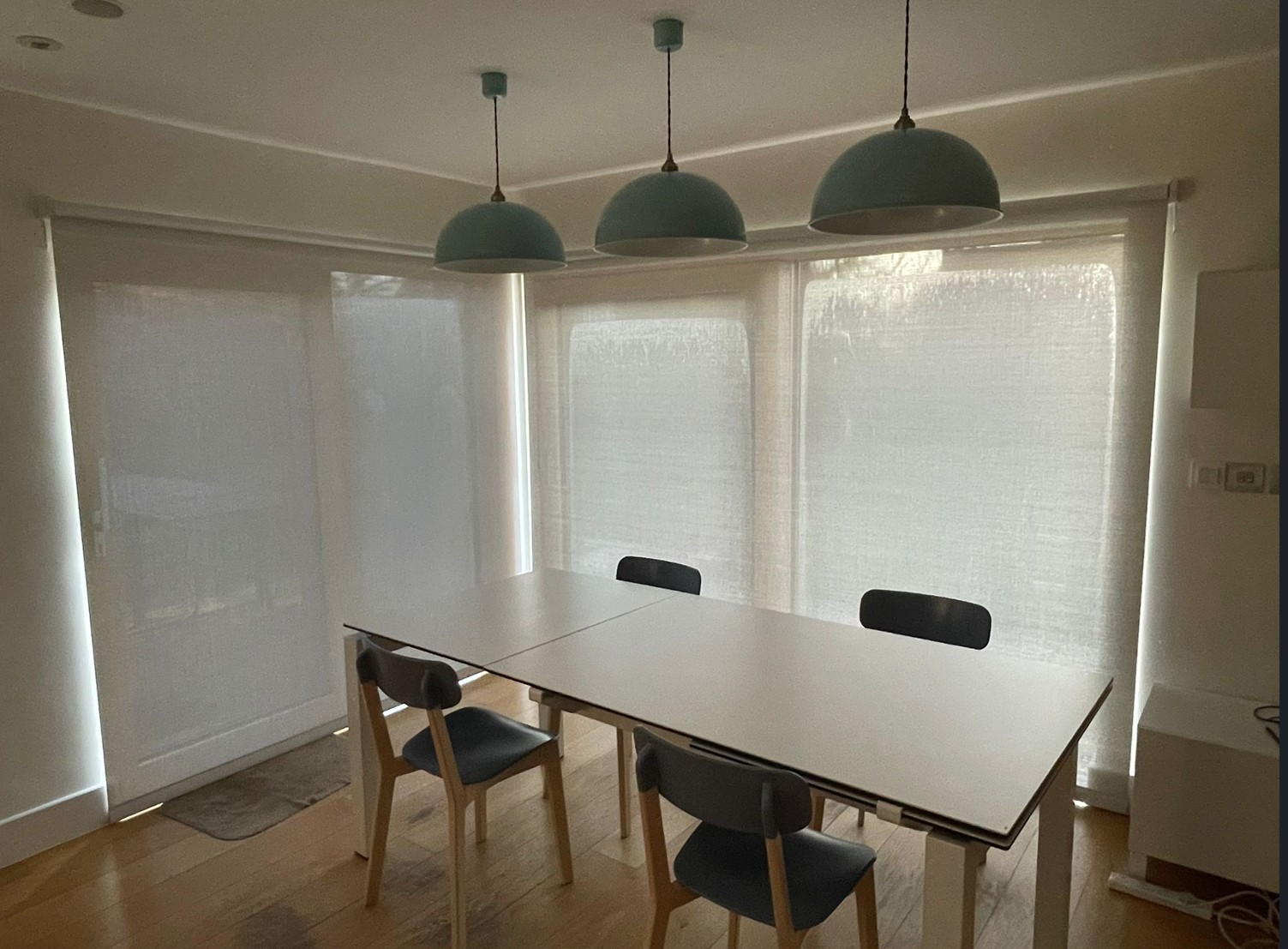
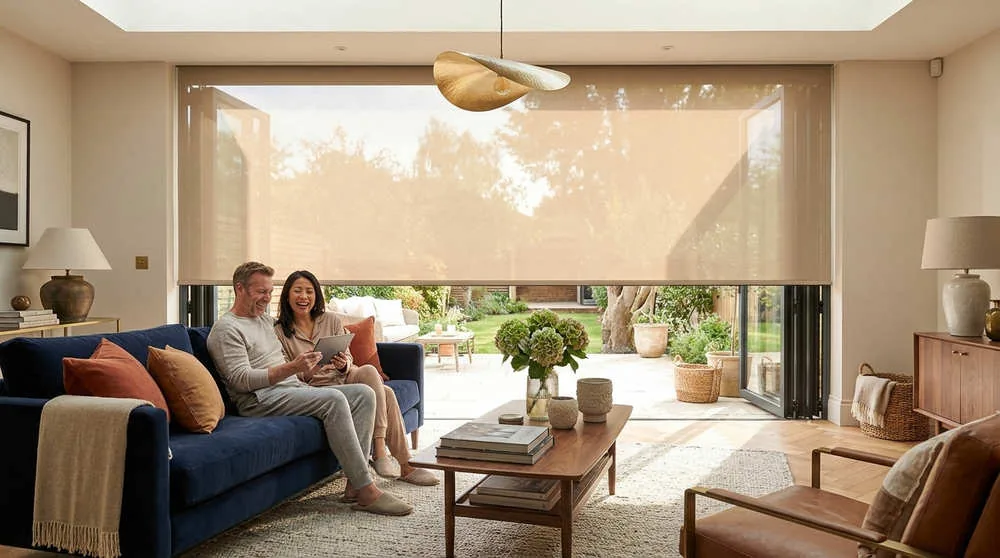
A single blind often forces a compromise between daytime view and night-time privacy. To stop your glass extension feeling like a goldfish bowl, we recommend a Dual Blind System. This combines a translucent screen for the day (glare control) and an opaque blackout fabric for the night (privacy).
We recall working with Samantha in Cirencester. She rescued a dog, Cooper, who would bark at his own reflection in their new glass extension at night. By automating privacy blinds to close at dusk, she solved the “goldfish bowl” effect and created a calm environment for the whole family. You can weigh up the options in our guide on single vs twin blind systems.
Learn more in our detailed article: How do I stop my beautiful glass extension feeling like a goldfish bowl at night?
Inside vs. Outside Shading
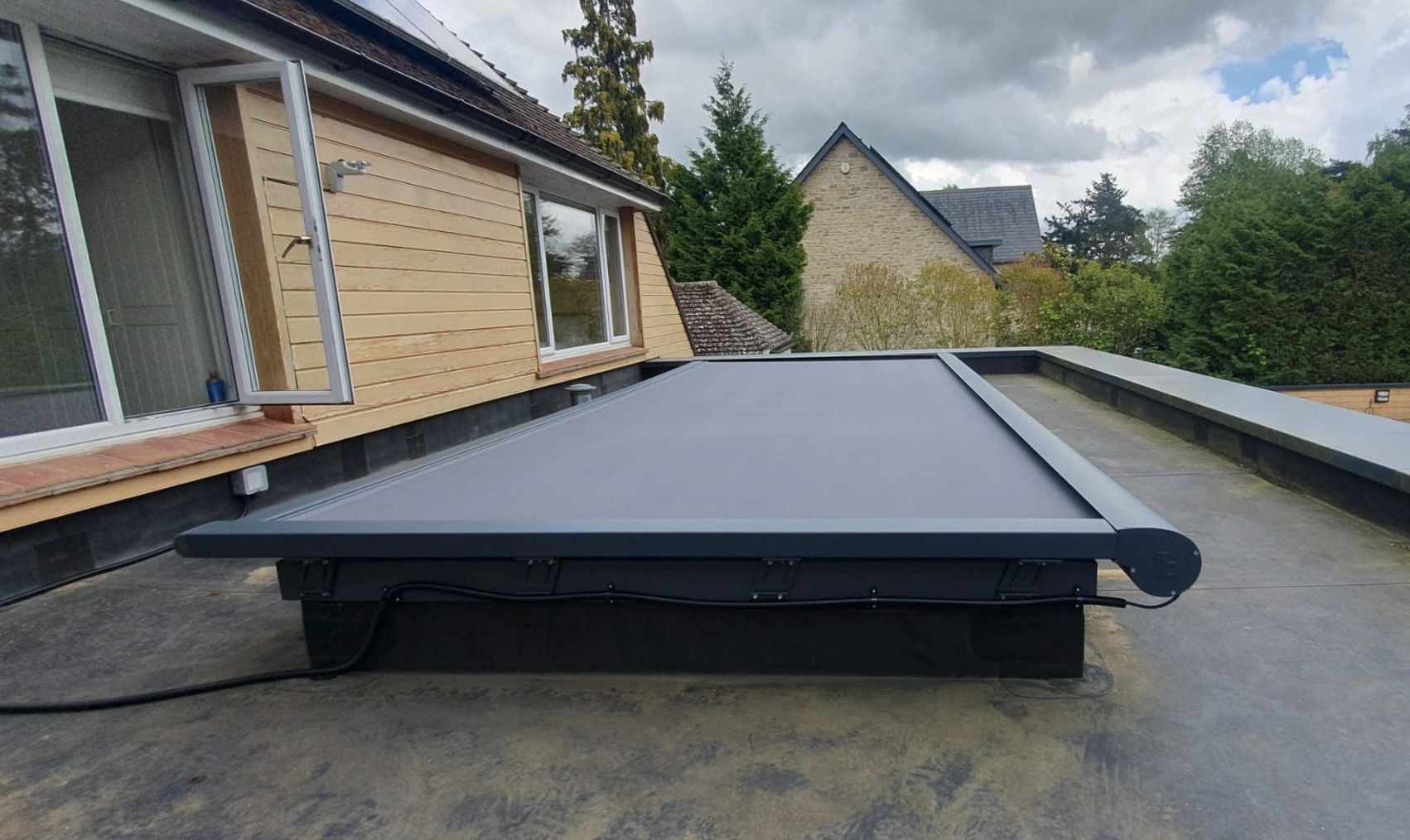
Stopping heat on the outside is scientifically more effective than managing it once it is inside. If you have a severe heat problem, external shading is the ultimate solution.
When sunlight passes through glass and hits an internal blind, the heat is already in the room. This creates a radiator effect. We compare inside vs outside shading to show that external blinds can block over 90% of solar heat before it touches the glass.
Consider Helen and Michael in Peckham. Their architect-designed kitchen was an unusable greenhouse in summer. By installing an external rooflight blind, they stopped the heat at the source and reclaimed their room. While external systems are a higher investment, they solve problems that internal blinds simply cannot. For context on the investment required for internal solutions, you can review how much electric roof lantern blinds cost.
Learn more in our detailed article: Inside vs outside shading – which makes more sense for your space?
Frequently Asked Questions about Heat, Glare & Privacy
Q: Can I just use solar control glass? A: Solar control glass helps, but it is a static solution. It cannot adapt to different seasons or times of day, and it does not provide privacy at night or control glare as effectively as a blind.
Q: Will a blackout blind make my room hotter? A: Yes, if it is a standard dark fabric. Dark colours absorb heat and radiate it into the room. You need a fabric with a reflective backing to block light without turning your blind into a radiator.
Q: Do external blinds work in the wind? A: Yes. High-quality external systems are rated for wind resistance and typically come with wind sensors that automatically retract the blind if conditions become too severe.
Next Steps for Your Project
Achieving a comfortable, usable room is the ultimate return on your investment. By understanding the science of heat and light, you can choose a solution that protects your dream rather than compromising it.
If you are ready to solve your heat or privacy issues for good, the next step is to discuss your specific space with a specialist.
Book your consultation to discuss your project.